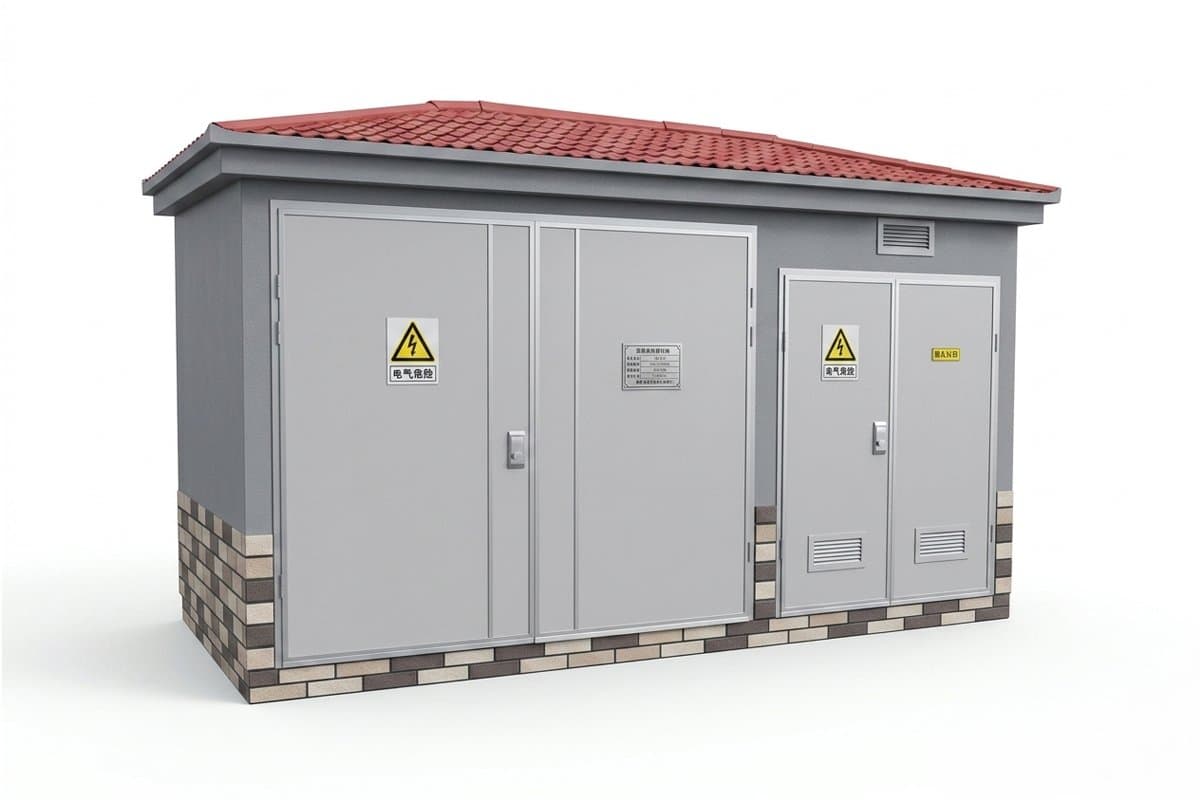
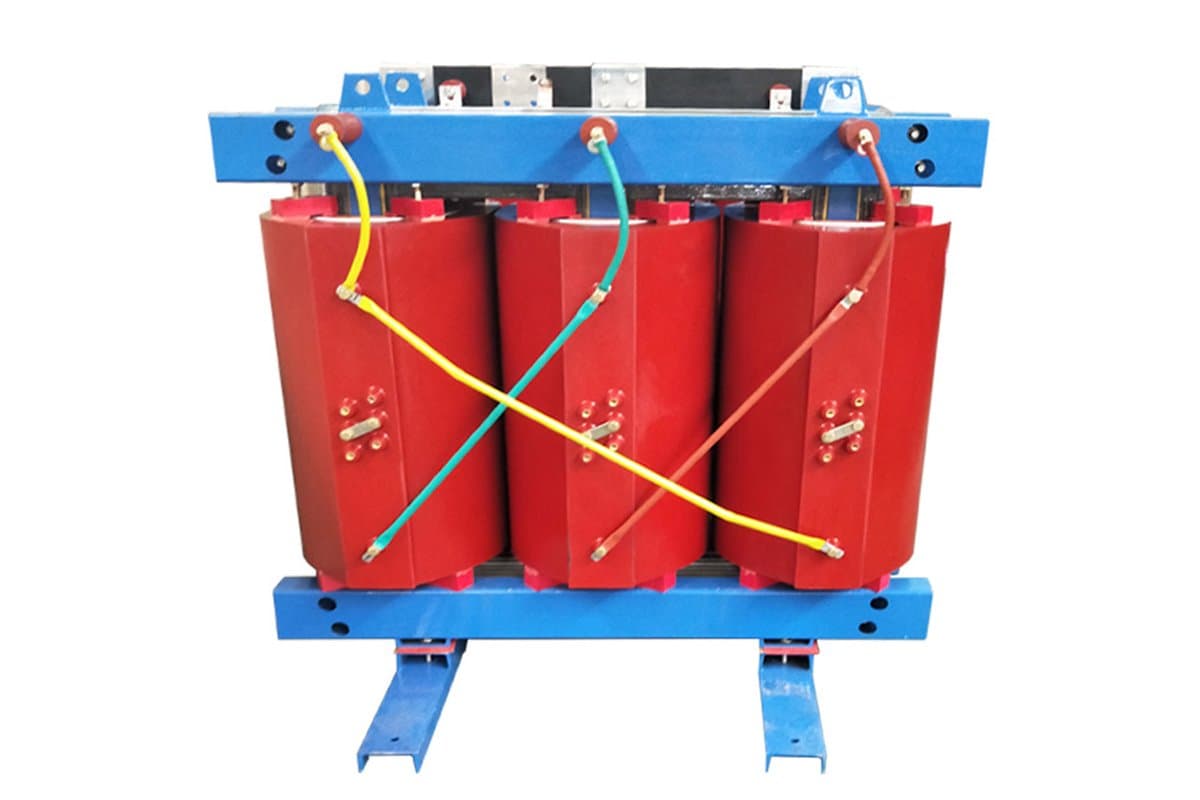
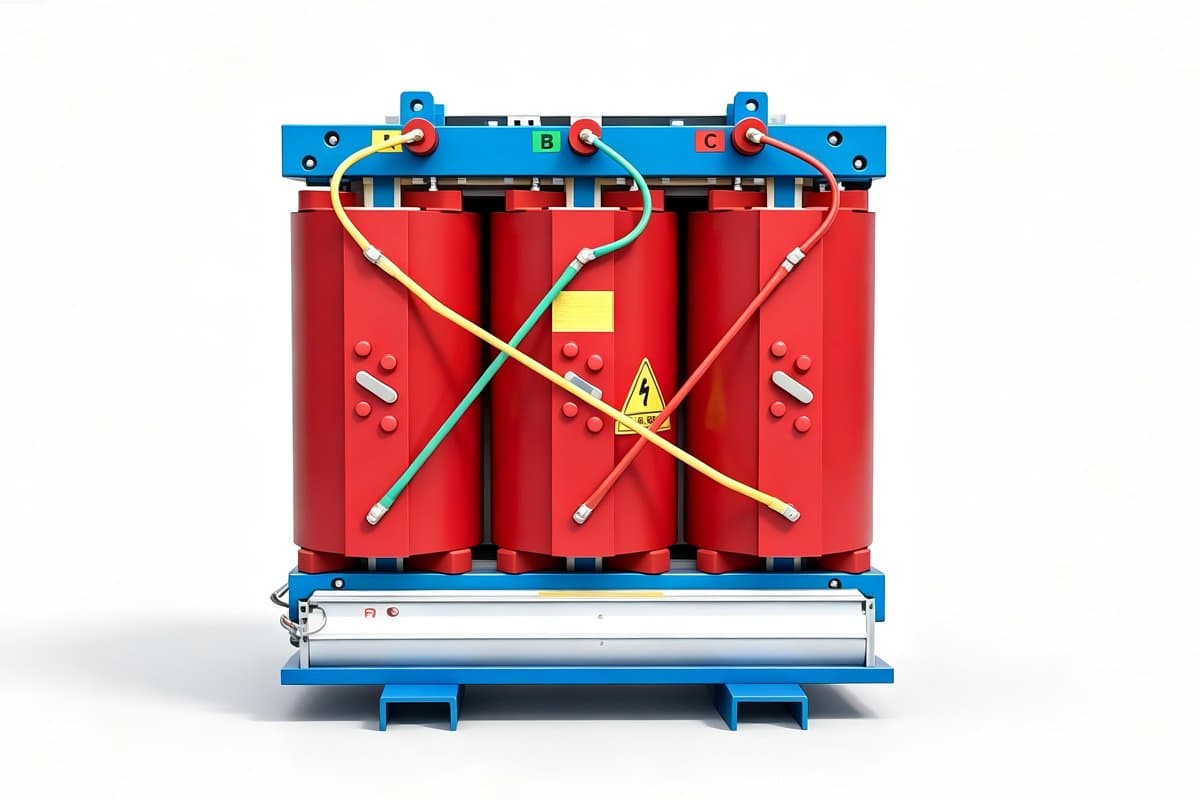
Amorphous alloy power transformers compared with conventional power transformers
Core material, no-load loss, noise, size, cost and typical duty compared: an amorphous alloy unit has only 20%–30% of the no-load loss of a silicon-steel one.
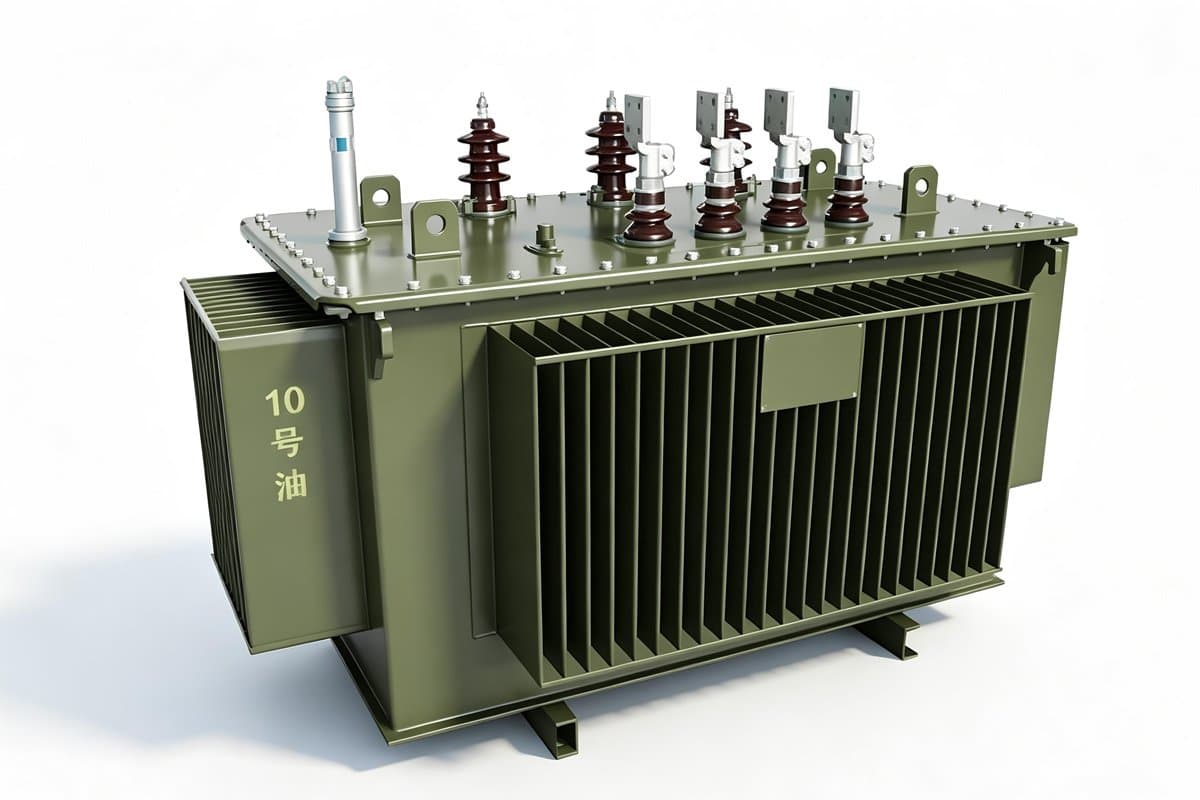
The amorphous alloy power transformer is an efficient, energy-saving and environmentally sound transformer that uses amorphous alloy as its core material. Amorphous alloy is a new energy-efficient material based mainly on metallic elements such as iron, nickel, cobalt, chromium and manganese, with small additions of boron, carbon, silicon and phosphorus. It forms an amorphous structure during rapid cooling and has dependable physical and chemical properties. Its use raises the efficiency with which energy is put to work.
What the amorphous alloy power transformer does
Characteristic 1: high efficiency and energy saving
The purpose of the amorphous alloy power transformer is to save energy. Because the core is made of amorphous alloy, whose atoms are arranged in a disordered state, magnetic permeability is high and hysteresis loss and eddy-current loss in the core are reduced. Compared with a conventional silicon-steel transformer, the no-load loss of an amorphous alloy transformer can be 60%–80% lower. In applications that run continuously with widely varying load, such as rural distribution networks and commercial supply, this saves a large amount of electrical energy over the long term.
Characteristic 2: lower noise pollution
The magnetostriction effect of amorphous alloy is weak, so the noise produced by the transformer in service is comparatively low. Where noise control matters, an amorphous alloy transformer meets environmental requirements more easily.
Characteristic 3: high magnetic permeability
Thanks to its high magnetic permeability, the transformer needs less core material for the same flux density, which reduces its volume and weight. That makes transport and installation easier and is a particular advantage where space is limited, for example in urban substations.
Characteristic 4: low core loss
Low core loss is a defining feature of the amorphous alloy transformer. It not only saves energy but also reduces the heat generated in service, improving the reliability and service life of the equipment.
Amorphous alloy and conventional transformers compared
| Criterion | Amorphous alloy transformer | Conventional silicon-steel transformer |
|---|---|---|
| Core material | Amorphous alloy (disordered atomic arrangement) | Silicon steel sheet (crystalline structure) |
| No-load loss | Low (only 20%–30% of a conventional unit) | Higher |
| Operating noise | Low (weak magnetostriction) | Comparatively high |
| Size and weight | Lighter and smaller (high permeability) | Comparatively large |
| Initial cost | Higher (about 20%–50% more) | Lower |
| Mechanical strength | More brittle, slightly weaker short-circuit withstand | Good, strong overload capability |
| Typical duty | Continuous operation with widely varying load | Budget-sensitive, continuous high load |
Amorphous alloy transformer compared with a conventional silicon-steel transformer
Summary
In short, the main advantages of the amorphous alloy power transformer are its low no-load loss and its performance. Compared with a conventional power transformer it also has a longer service life, which makes it suitable wherever equipment runs continuously and energy-efficiency requirements are high.