What is a box-type substation, and what are its advantages
A box-type substation integrates HV switchgear, a distribution transformer and an LV panel in one sealed steel enclosure for 10/0.4 kV networks.
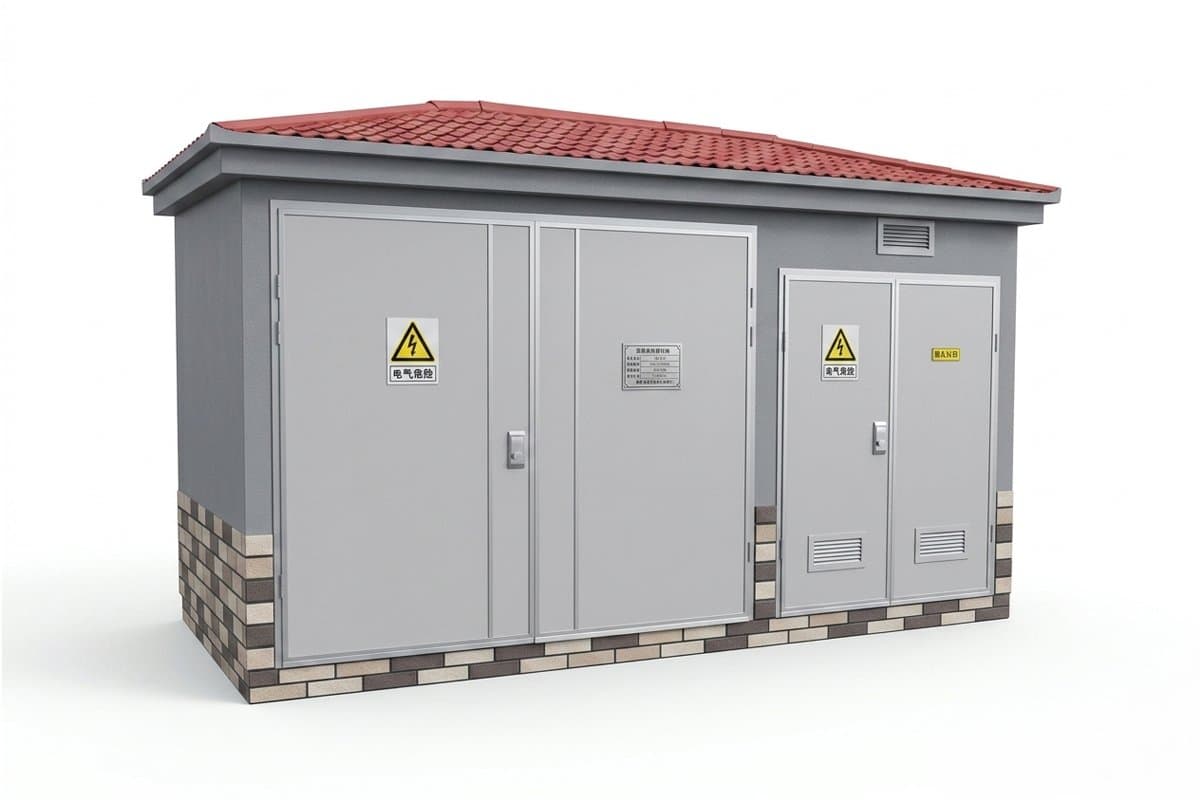
A box-type substation, also known as a prefabricated substation, is a compact distribution assembly that integrates high-voltage switchgear, a distribution transformer and a low-voltage distribution panel. The equipment is pre-assembled in the factory and then installed inside a steel enclosure that is moisture-proof, rust-proof, dust-proof, rodent-proof, fire-resistant, theft-resistant, thermally insulated, fully enclosed and movable.
The box-type substation is an integrated unit used mainly in three-phase AC systems rated 10/0.4 kV, where it handles line control and the distribution of electrical energy. It suits the construction and refurbishment of urban distribution networks particularly well and represents a new form of substation, succeeding the traditional masonry-built substation.
Characteristics and advantages of the box-type substation
- Moisture-, rust- and dust-proof: the sealed structure effectively keeps damp, corrosion and dust out, so the interior of the equipment stays clean and safe.
- Rodent-, fire- and theft-proof: the enclosure design also addresses rodent damage and fire prevention, as well as protection of the equipment against theft.
- Good thermal insulation: insulating material inside the enclosure keeps the equipment operating stably in high ambient temperatures.
- Fully enclosed structure: the enclosure is completely closed, shielding the equipment from the external environment.
- Mobility: the steel structure makes the unit easy to move and install.
- Simple installation: the prefabricated design makes installation faster and simpler.
- Low maintenance cost: the integrated and standardised design keeps maintenance costs comparatively low.
- Adaptable: box-type substations cope well with a wide range of conditions, in cities as well as in remote areas.
Conclusion
In short, the box-type substation is an efficient, reliable and environmentally sound transformation and distribution unit, suitable for many industrial and everyday settings, including mines, factories, oil and gas fields and wind farms. It can replace traditional masonry distribution rooms and substations as a new type of packaged distribution assembly, and as the technology continues to advance it will play an increasingly important role.