Epoxy cast-resin dry-type transformers: technical characteristics and application advantages
Epoxy cast-resin dry-type transformers combine a low-loss core with vacuum-cast coils: fire-safe, low in partial discharge, installed at the load centre.
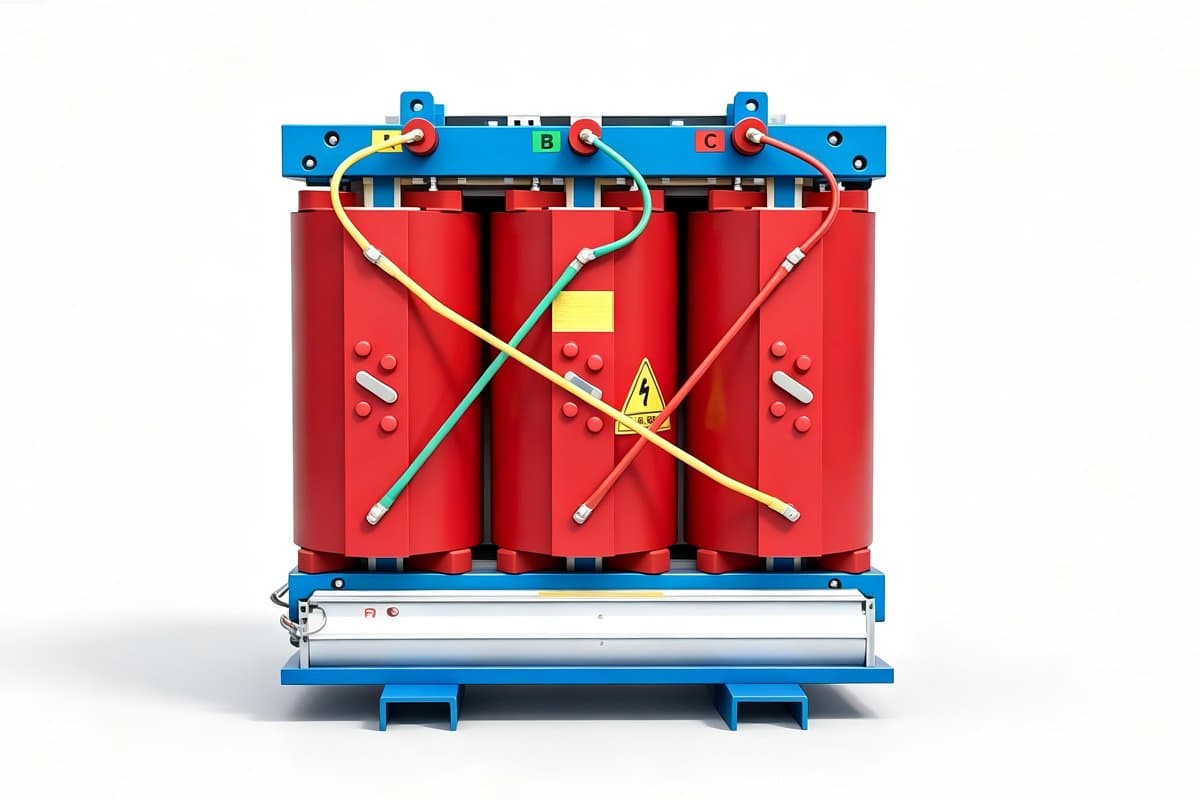
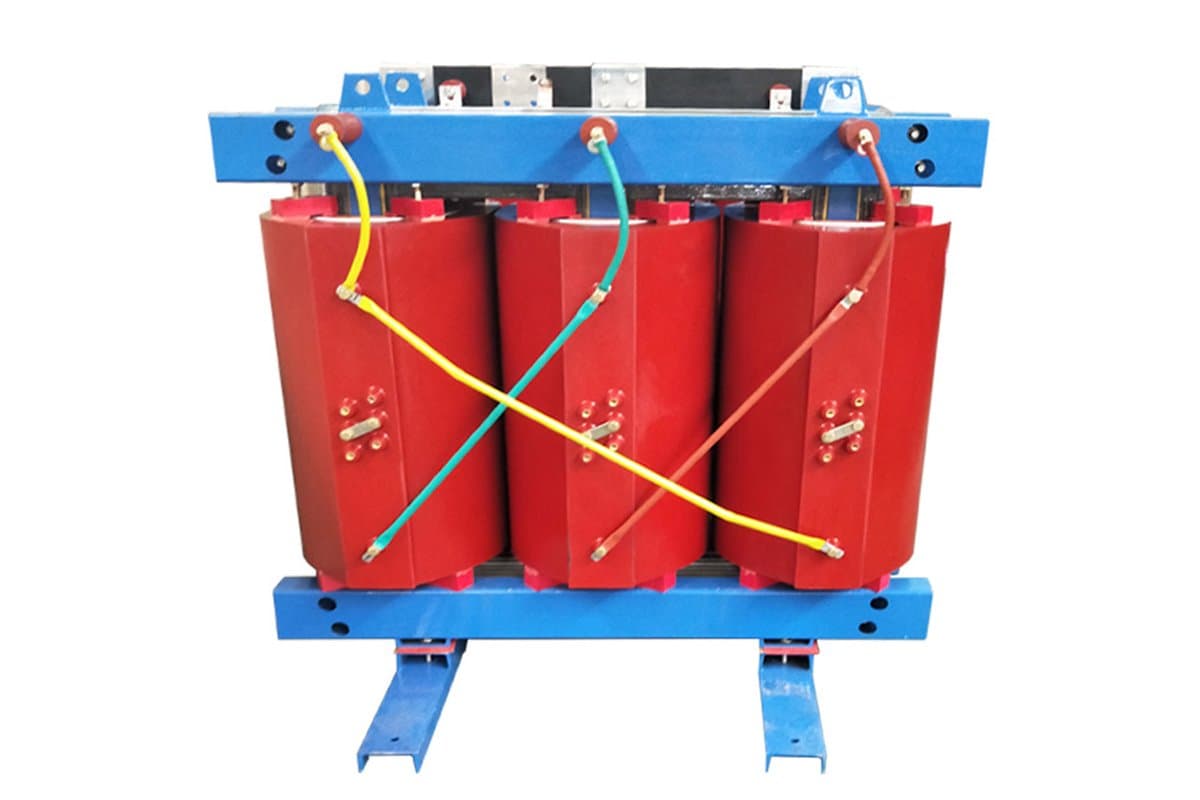
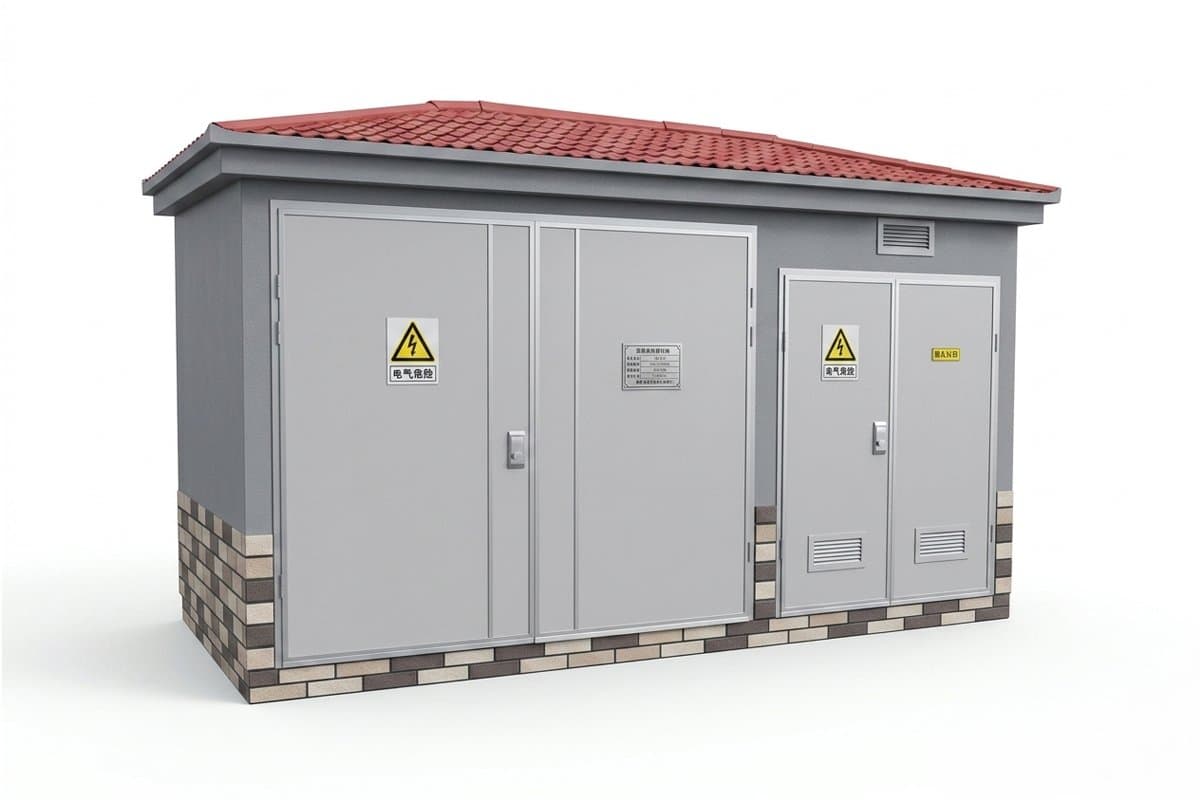
The epoxy cast-resin dry-type transformer is one of the key items of equipment in a modern transmission and distribution system. The series adapts well to its environment: enclosures with different degrees of protection can be selected to suit site conditions, and the transformers are widely used in high-rise buildings, commercial centres, airport tunnels, chemical plants, ships and other locations with particular power-supply safety requirements.
Manufacturing process and structural design
1. Low-loss, energy-efficient core
The core is built from high-permeability cold-rolled silicon steel sheet using fully mitred 45° joints and a step-lap stacking process. This design optimises the flux distribution at the joints and suppresses core vibration. Together with a special resin sealing treatment of the surface, it lowers no-load loss and no-load current and delivers low-noise operation.
2. High-strength vacuum-cast coils
- HV coils: wound from class F insulated conductor; larger coils have axial cooling ducts built in, which maintains cooling efficiency while giving the coil its resistance to current surges and its thermal stability.
- Vacuum casting process: once in the mould, the coil undergoes strict vacuum drying before epoxy resin is cast around it; the whole cycle follows a precise automated process curve, so the cured coil contains no voids or cavities. The coil ends are sealed with cured resin, forming a solid physical barrier that keeps moisture and foreign matter out and eliminates the risk of partial discharge.
Product advantages
- Clean and safe: the fully encapsulated epoxy cast-resin structure is fire- and explosion-resistant and free of pollution; no separate transformer room is required and the unit can be installed directly at the load centre.
- Robust and durable: high mechanical strength and outstanding short-circuit withstand; good thermal stability and low partial discharge keep the system highly reliable over the long term.
- Energy-efficient: low no-load and load losses combined with an optimised core structure give both energy savings and quiet operation.
- High overload capability: the duct design provides ideal heat dissipation. Operation is stable with standard air cooling, and switching on forced air cooling (AF) raises the overload capability significantly to cope with load peaks.
- Moisture- and corrosion-resistant: the cured epoxy layer encloses the coil tightly, giving resistance to moisture, salt mist and mould, so the transformer copes with high humidity and harsh industrial environments.
- Temperature monitoring: an intelligent temperature-control system is supplied as standard, continuously monitoring and displaying the temperature of all three phase windings; automatic start/stop of the cooling fans, over-temperature alarm and automatic tripping provide multi-level protection for unattended operation.