
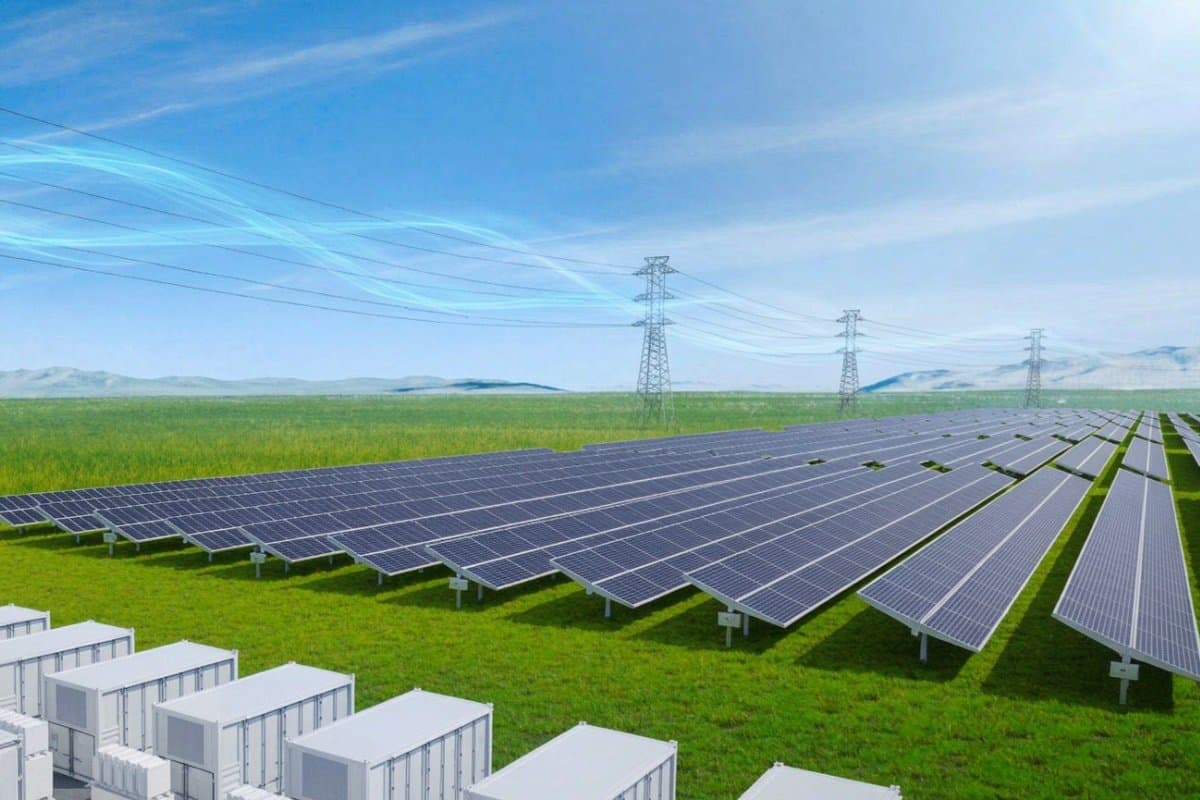
Application sector
Solar PV
Step-up and distribution equipment for ground-mounted plants and distributed PV connection points.
The step-up stage of a PV plant
The output of a PV plant follows the sunlight: low early and late in the day, zero at night, while the step-up transformer stays connected to the grid around the clock. For a plant with limited annual full-load hours, no-load loss takes a clearly larger share of site losses than in conventional industrial supply.
Project types also differ widely. Ground-mounted plants place a step-up unit in each array block, on open but dusty sites with wide temperature swings; rooftop and industrial-park projects are limited by roof loading and ground space, and the connection point often has to fit into a very small area. Either way the step-up units are numerous and widely spread, with limited staff to maintain them.
What PV projects have to cope with
The cost per kilowatt-hour of a PV project is sensitive to site losses, and once equipment is on a roof or between the arrays, replacing it is expensive.
- Zero output at night and in overcast weather while the equipment stays energised, so no-load loss counts all year
- Harmonic content on the inverter side, affecting power quality at the connection point
- Many array blocks and step-up units, installed within a concentrated schedule
- Dust and temperature swings on ground-mounted sites; limited space and roof loading on distributed ones
- Largely unattended plants, calling for fully sealed equipment with long maintenance-free intervals
The selection logic for the step-up stage is straightforward: look at no-load loss first, then at size and method of installation, and last at whether the unit can stay closed for twenty years.
Coreda's approach for solar PV
We configure the step-up stage separately for ground-mounted and distributed projects, around a combination of amorphous-alloy transformers and prefabricated substations.
Recommended configuration:
- Chinese-style box-type substation: suited to the MV step-up node of a PV plant, with independent MV and LV rooms that open for maintenance, an enclosure protected against corrosion, condensation and salt fog, and space for an automation terminal reporting to the control centre.
- ZGS11 compact pad-mounted substation (American style): small and compact, with a fully sealed tank and fully insulated design, suitable for both ring-main and terminal supply — a good fit for distributed connection points on tight sites.
- SBH25 amorphous-alloy oil-immersed transformer: wound amorphous-alloy core in a fully sealed corrugated tank (ONAN), no-load loss roughly 1/3 to 1/4 of a silicon-steel S13 unit of the same rating, good immunity to harmonics and noise about 5–10 dB(A) lower.
Ground-mounted plants take box-type substations delivered block by block, distributed projects use the compact pad-mounted transformer to shrink the connection point; both rely on fully sealed construction to reduce site maintenance.
Recommended products
Product configurations for this sector
Chinese-style
Rated capacity:
to order
HV rating:
to order
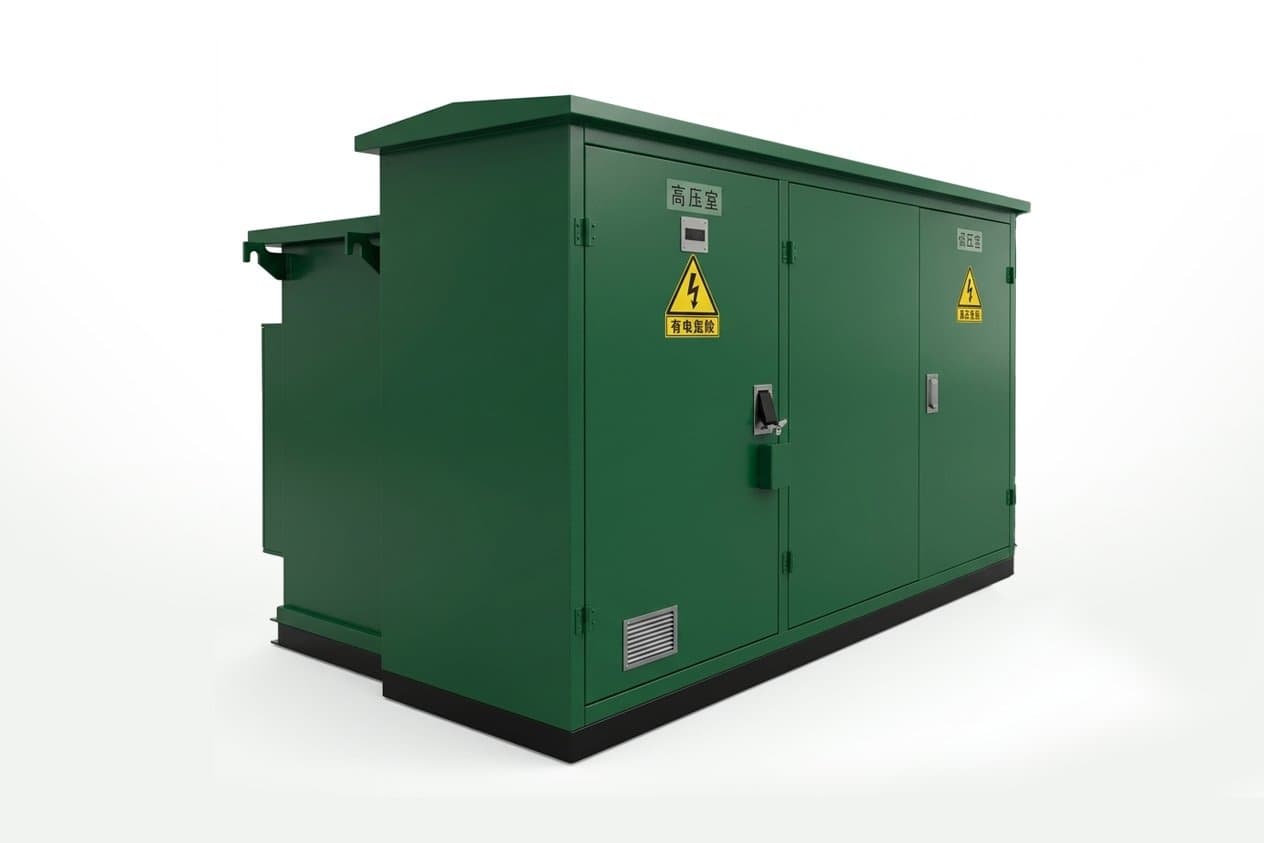
Chinese-Style Box Substation
Compact outdoor prefabricated substation with the transformer outside the enclosure and the HV and LV switchrooms inside: good cooling, easy maintenance.
ZGS11
Rated capacity:
100–1600 kVA
HV rating:
6–11 kV (6 / 6.3 / 6.6 / 10 / 10.5 / 11 kV)
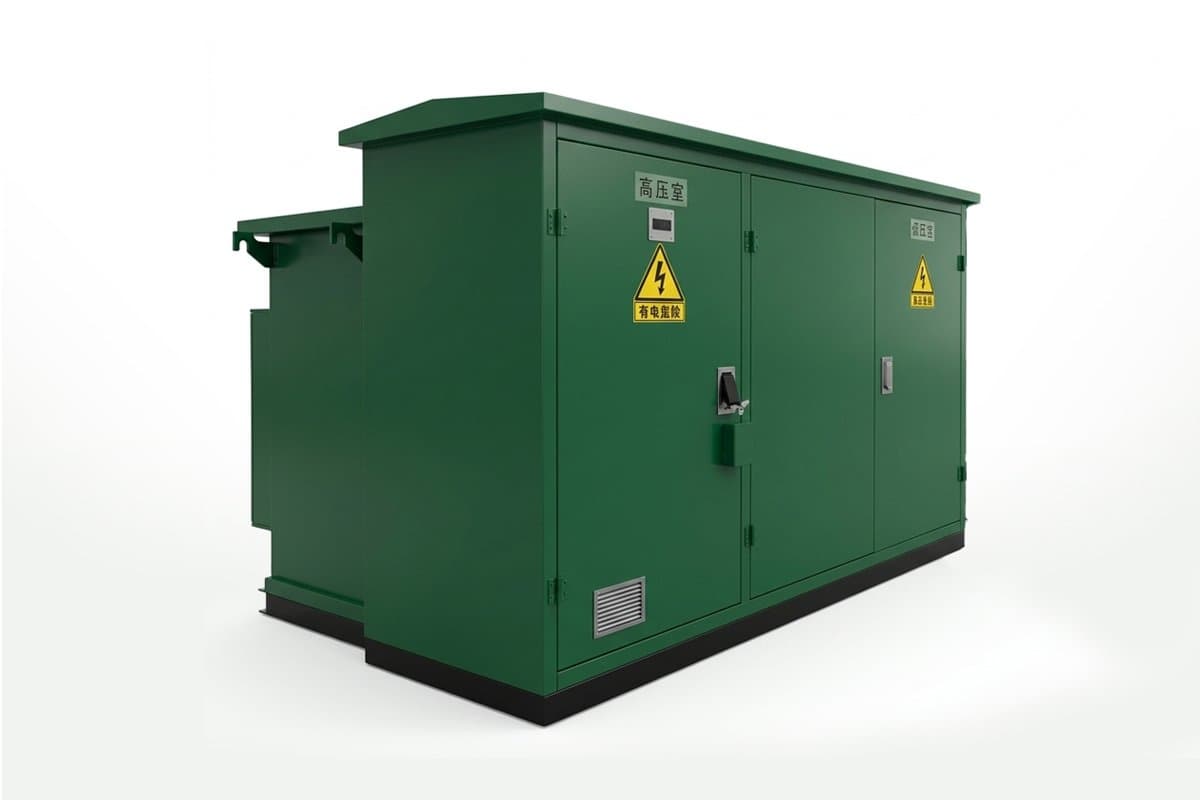
ZGS11 Combined Transformer Series (American-Style Pad-Mounted Substation)
ZGS11 combined transformers (American-style pad-mounted), 100–1600 kVA, fully sealed tank and fully insulated design, for ring-main or radial supply.
SBH25
Rated capacity:
30–2500 kVA
Voltage class:
10 kV / 0.4 kV
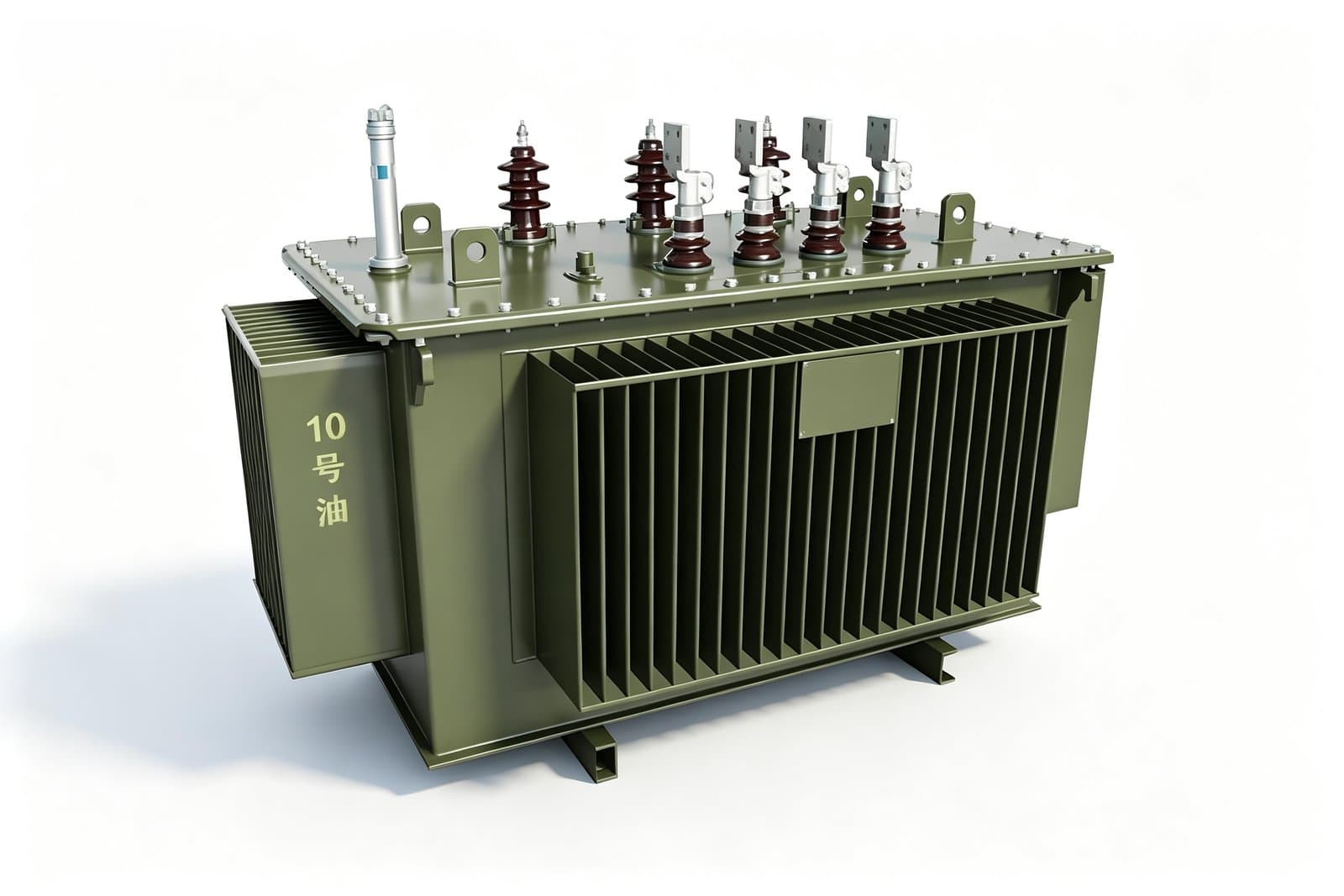
SBH25 Amorphous-Alloy Oil-Immersed Transformer
Amorphous alloy wound core in a fully sealed corrugated tank; no-load loss is about one third to one quarter of a comparable S13 silicon-steel unit.
More sectors
Explore other application sectors
Wind Power
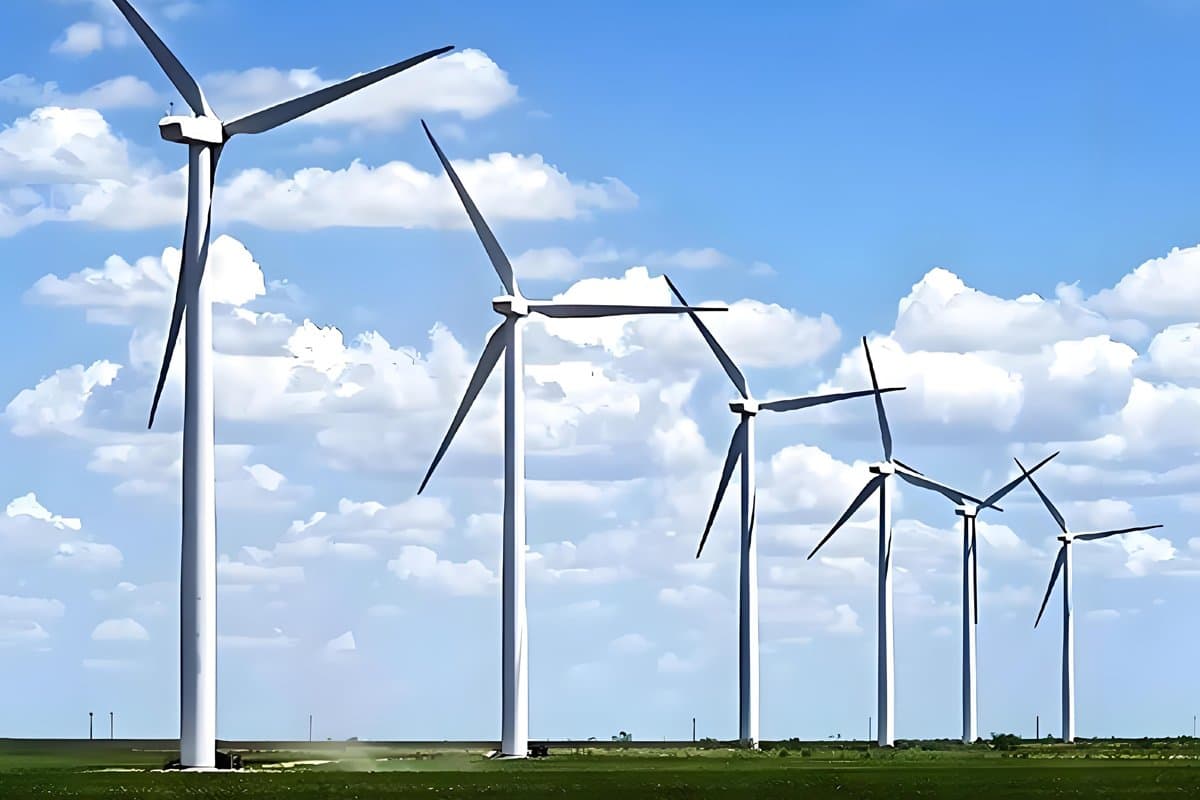
Wind turbines stay connected to the grid through low-wind and standstill periods, leaving the step-up transformer at no load or light load for long stretches, and the equipment is spread across an unattended site. Coreda delivers the step-up unit as a complete box-type substation, with amorphous-alloy or low-loss silicon-steel transformers inside to limit site losses and inspection work.
Typical uses
- Step-up units at the base of the turbine tower
- Collection circuits and site collection points
- Outdoor positions on coastal, mountain and desert sites
Typical equipment
- Box-type substations
- Amorphous-alloy oil-immersed transformers
- 35 kV collection
- Salt-fog and dust protection
Energy Storage
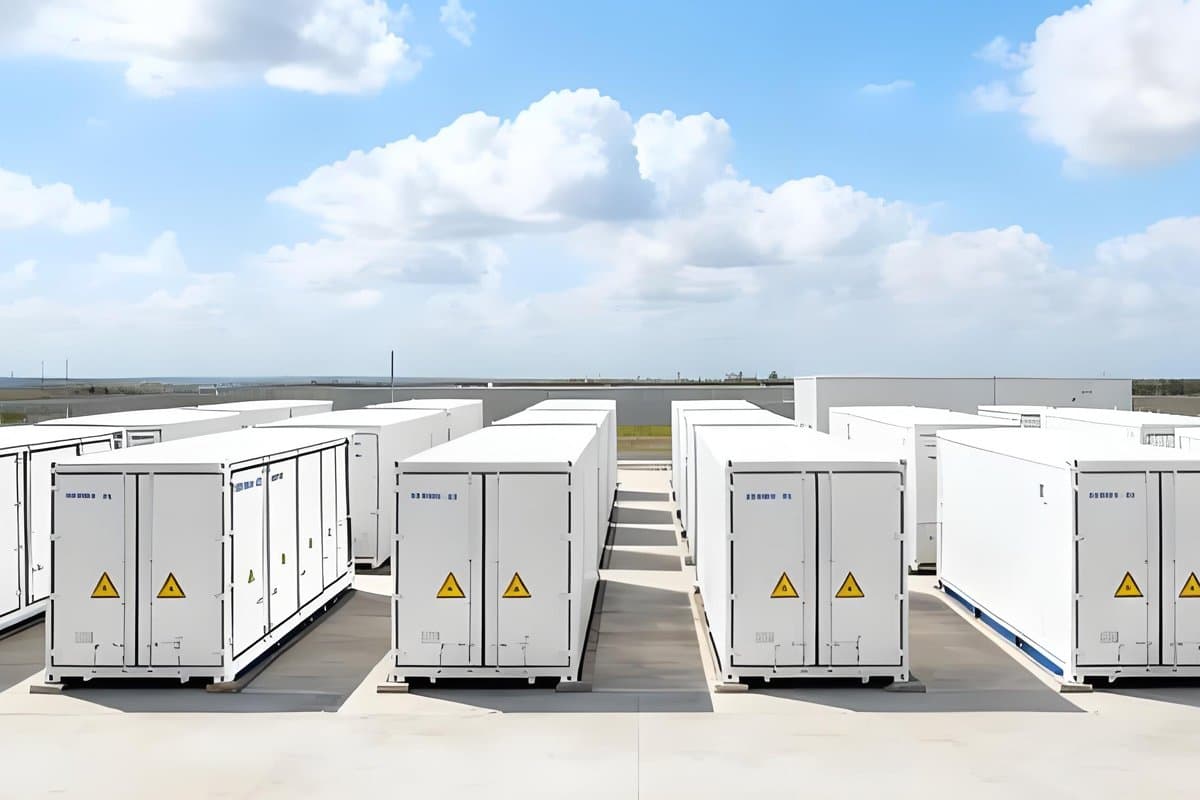
A storage plant cycles between charging, discharging and standby every day, and the transformer stays energised through standby, so its no-load loss is charged straight to auxiliary consumption. Coreda configures the step-up unit with fully sealed amorphous-alloy transformers, compact substations and withdrawable LV switchgear to keep auxiliary consumption and site work down.
Typical uses
- Step-up units for battery storage plants
- Commercial and industrial storage, peak shaving in parks
- Sites combining storage with solar PV or wind
Typical equipment
- Amorphous-alloy transformers
- Pad-mounted substations
- Withdrawable LV switchgear
- Containerised step-up units
Solutions and quotations
Tell us what your project needs
Send the capacity, voltage class and installation conditions, and we will come back with a selection proposal, technical data and a quotation.
- Amorphous alloy transformers
- Custom configuration
- Type-test reports
- After-sales support