
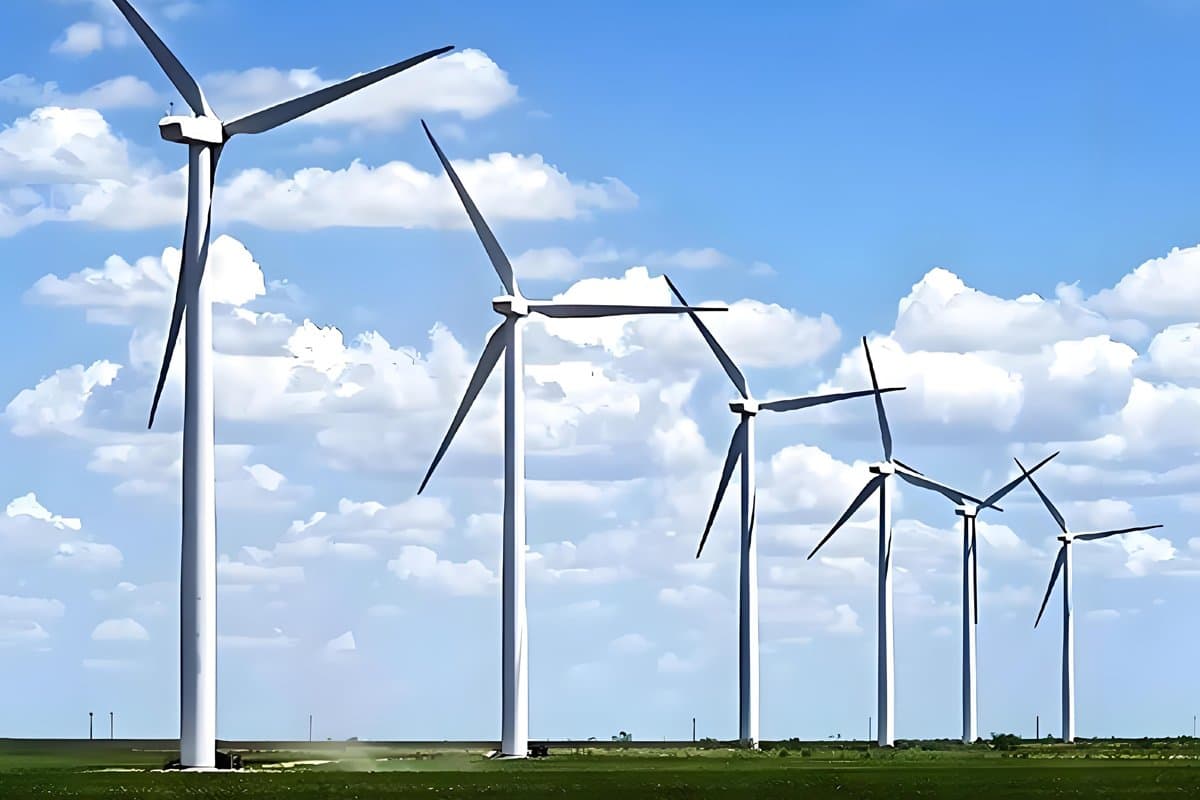
Application sector
Wind Power
Complete box-type substations for the collection and step-up stage of wind farms.
The step-up stage of a wind farm
The step-up units of a wind farm are distributed next to the turbines: the generator voltage is raised by a box-type substation to the 35 kV collection voltage before joining the outgoing line. Wind is intermittent and the turbines stay connected to the grid in low wind and at standstill, so the step-up transformer spends long periods at no load or light load.
Site conditions are rarely kind: coastal farms bring salt fog, mountain and desert sites bring dust and wide temperature swings, and the equipment is spread over tens of kilometres, with long inspection rounds and long distances for repair. The step-up equipment has to run unattended for long periods and report its status to the central control room.
What wind farms have to cope with
A wind farm loses energy in two places — what it cannot generate, and what it generates and then loses on site. The second depends directly on equipment selection.
- Long periods of low wind and standstill, so no-load loss dominates site losses
- Step-up units spread around the towers, unattended and awkward to reach for maintenance
- Salt fog, dust and temperature swings, setting requirements for enclosure protection and sealing
- Fluctuating turbine output, so the step-up equipment needs overload and short-circuit margin
- Remote supervision, so the substation must have room for the automation terminal
Selection should therefore look at how stable the no-load loss stays with age: over a twenty-year life, the drift caused by material ageing often matters more than the initial difference.
Coreda's approach for wind farms
Step-up units are delivered as complete box-type substations, fitted with amorphous-alloy or low-loss silicon-steel transformers according to the collection voltage.
Recommended configuration:
- Chinese-style box-type substation: the transformer sits outside the enclosure with separate MV and LV switch rooms, giving a large cooling surface and good overload capability; the enclosure is generally IP43 to IP55 against condensation, salt fog and sand, and can house numerical protection and a DTU/FTU for telemetry, status, control and setting.
- SBH21 amorphous-alloy oil-immersed transformer: a grade 2 efficiency product designed to GB 20052—2020, keeping very low no-load loss while cutting load loss about 15% against SBH15; the amorphous-alloy core resists ageing, so no-load loss stays practically unchanged over the life of the unit.
- S11 10 kV and 20 kV low-loss transformers: fully sealed corrugated tank, no-load loss on average 30% below the GB/T 6451 values and load loss on average 25% below, suited to outdoor pole- and box-mounted duty in continuous service.
The substation is assembled and tested in the works and transported complete, leaving only foundations and cable connections on site — which suits the concentrated, tightly scheduled installation of a wind project.
Recommended products
Product configurations for this sector
Chinese-style
Rated capacity:
to order
HV rating:
to order
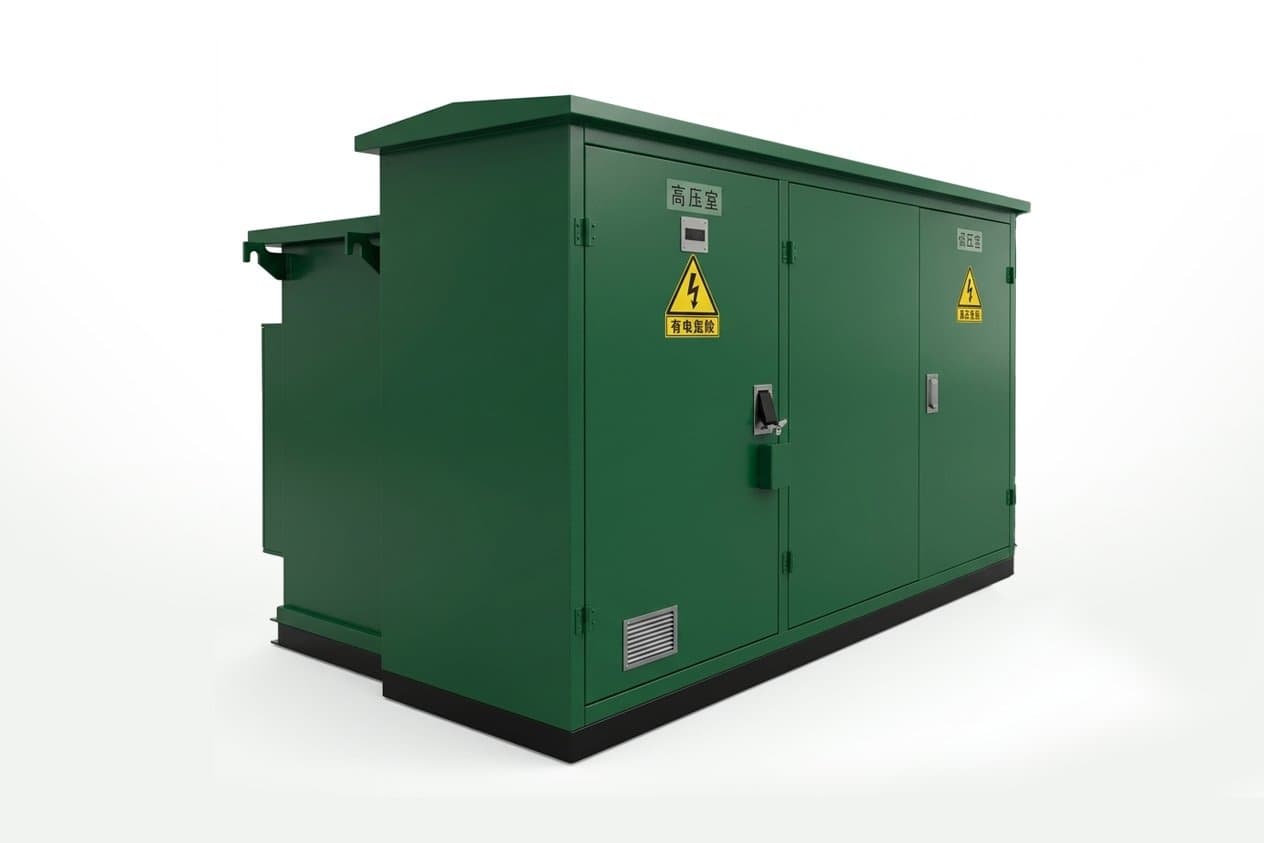
Chinese-Style Box Substation
Compact outdoor prefabricated substation with the transformer outside the enclosure and the HV and LV switchrooms inside: good cooling, easy maintenance.
SBH21
Rated capacity:
30–2500 kVA
Voltage class:
10 kV / 0.4 kV
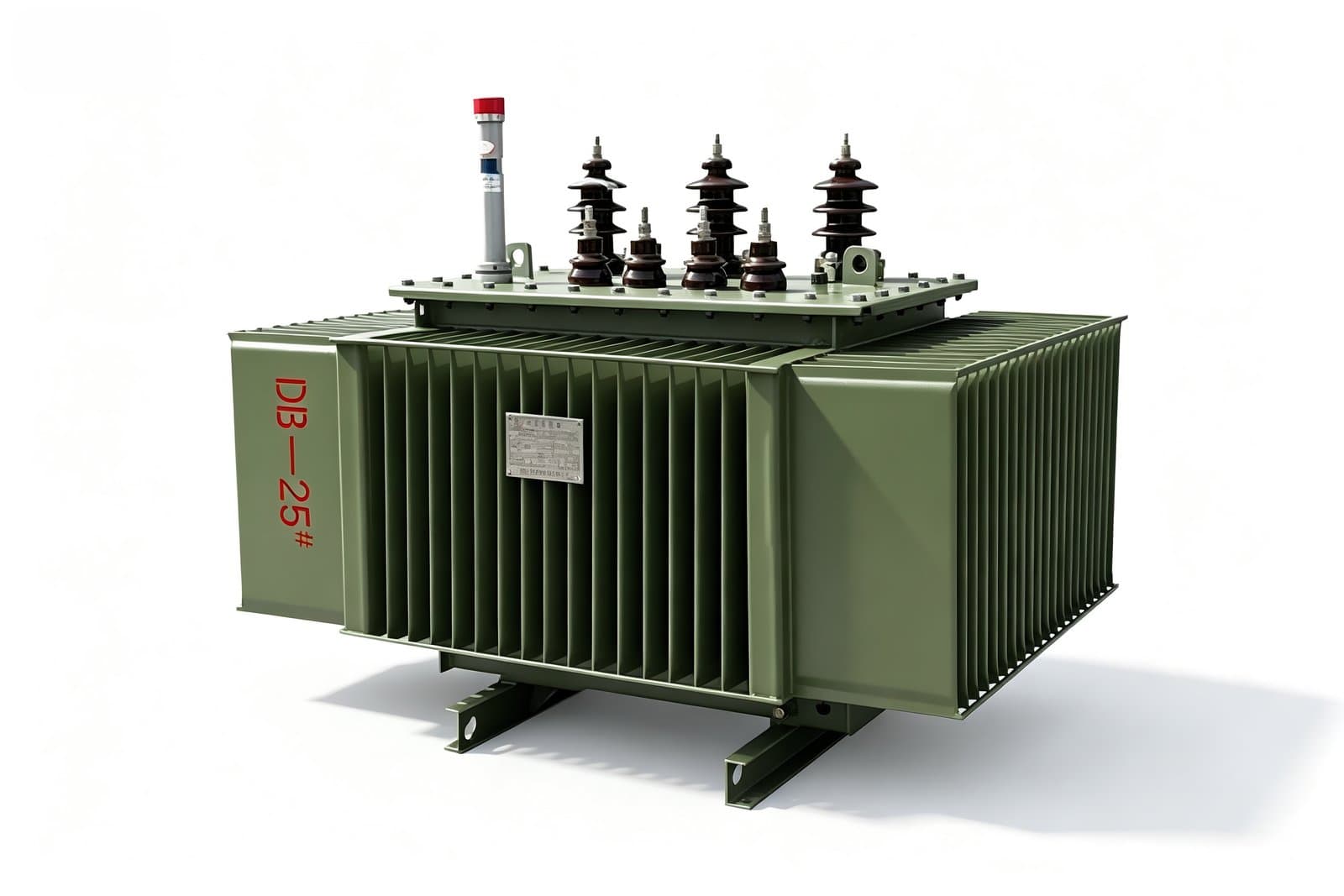
SBH21 Amorphous-Alloy Oil-Immersed Transformer
Grade 2 efficiency amorphous-alloy oil-immersed transformer to GB 20052-2020: no-load loss as low as the SBH15, load loss around 15% lower.
S11
Rated capacity:
30–2500 kVA
Voltage class:
10 kV · 20 kV
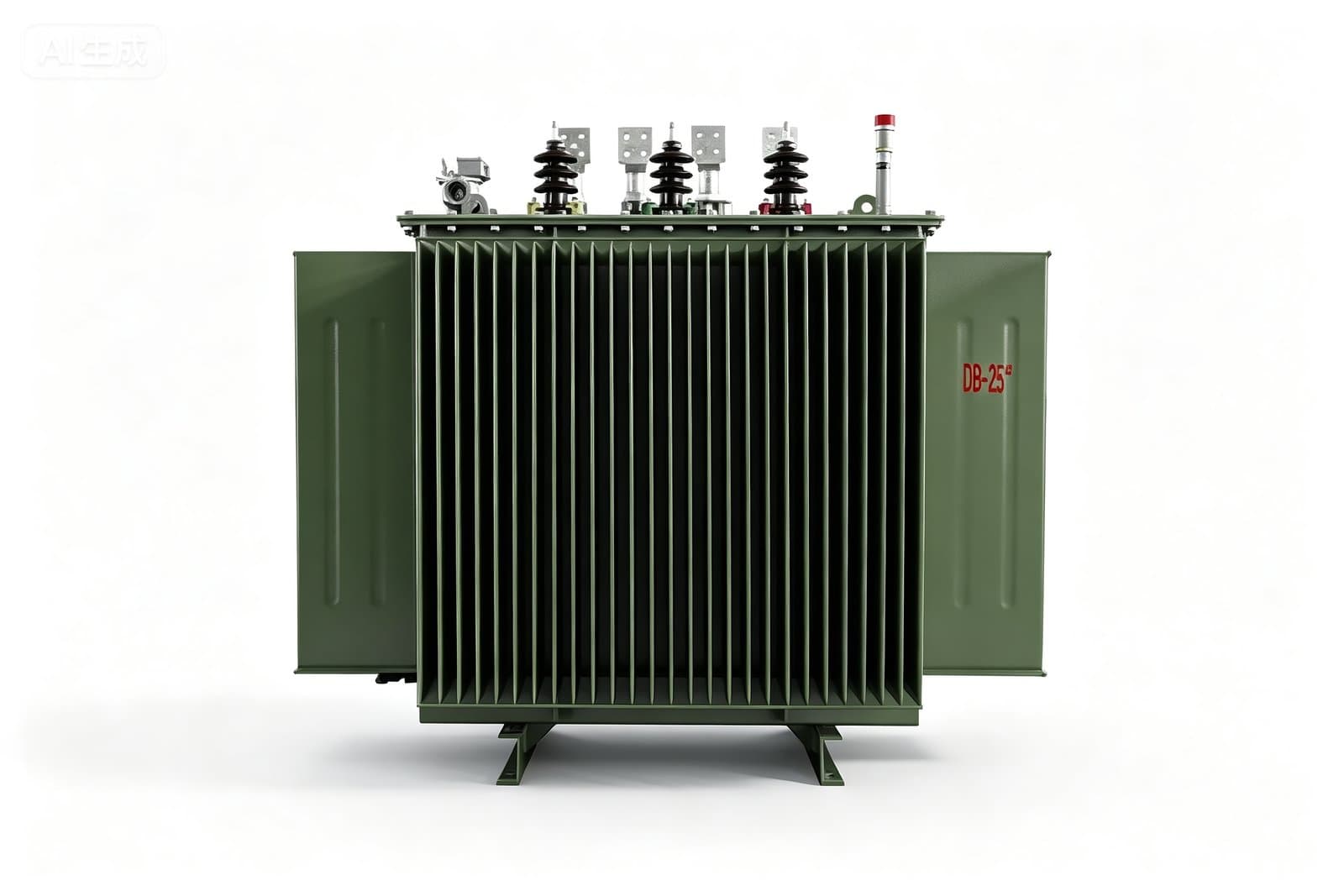
S11 Series 10 kV and 20 kV Low-Loss Power Transformer
Three-phase oil-immersed distribution transformer in a fully sealed corrugated tank, with no-load loss averaging 30% below the GB/T 6451 values.
More sectors
Explore other application sectors
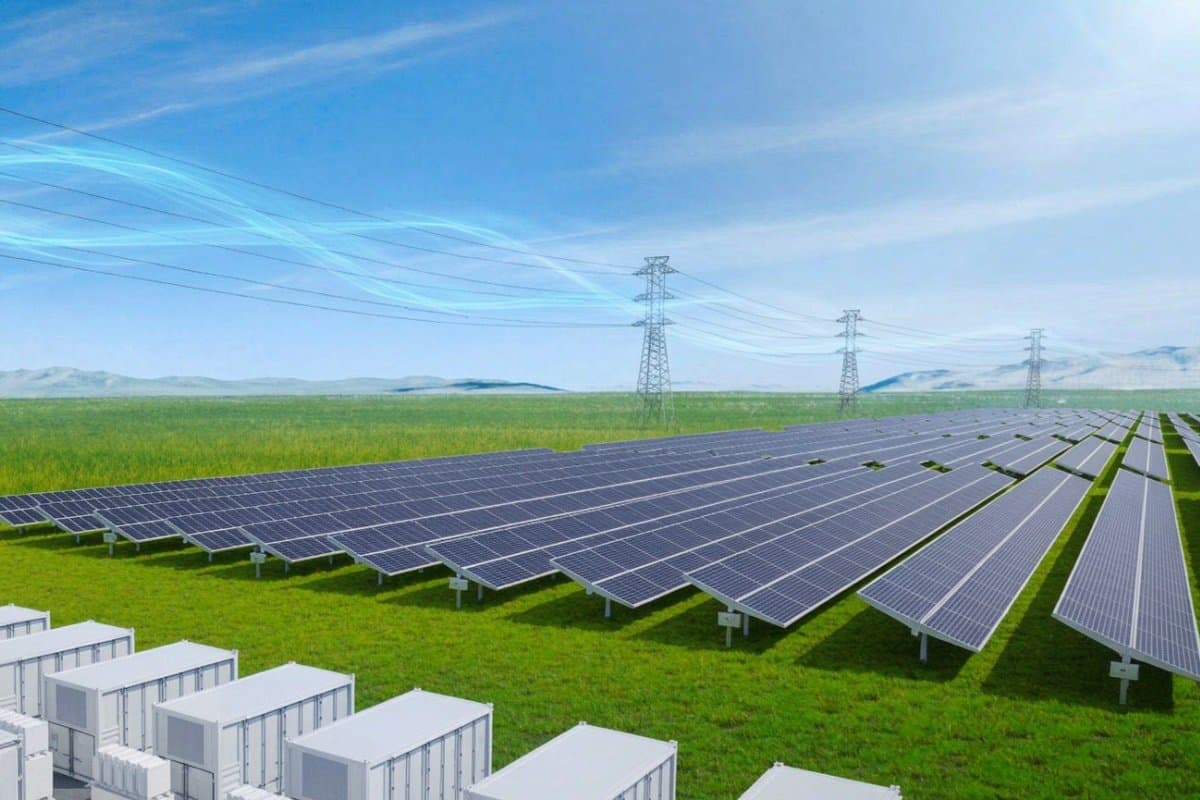
Solar PV
A PV plant's output follows the sun — zero at night, while the step-up transformer stays energised — so no-load loss takes a visible share of site losses. Coreda offers step-up configurations for both ground-mounted and distributed projects, combining amorphous-alloy transformers with prefabricated substations to cut site losses and the footprint of the connection point.
Typical uses
- Step-up units for ground-mounted arrays
- Rooftop and industrial-park connection points
- Step-up stage of combined PV and storage sites
Typical equipment
- Box-type substations
- Compact pad-mounted substations
- Amorphous-alloy oil-immersed transformers
- Distributed connection
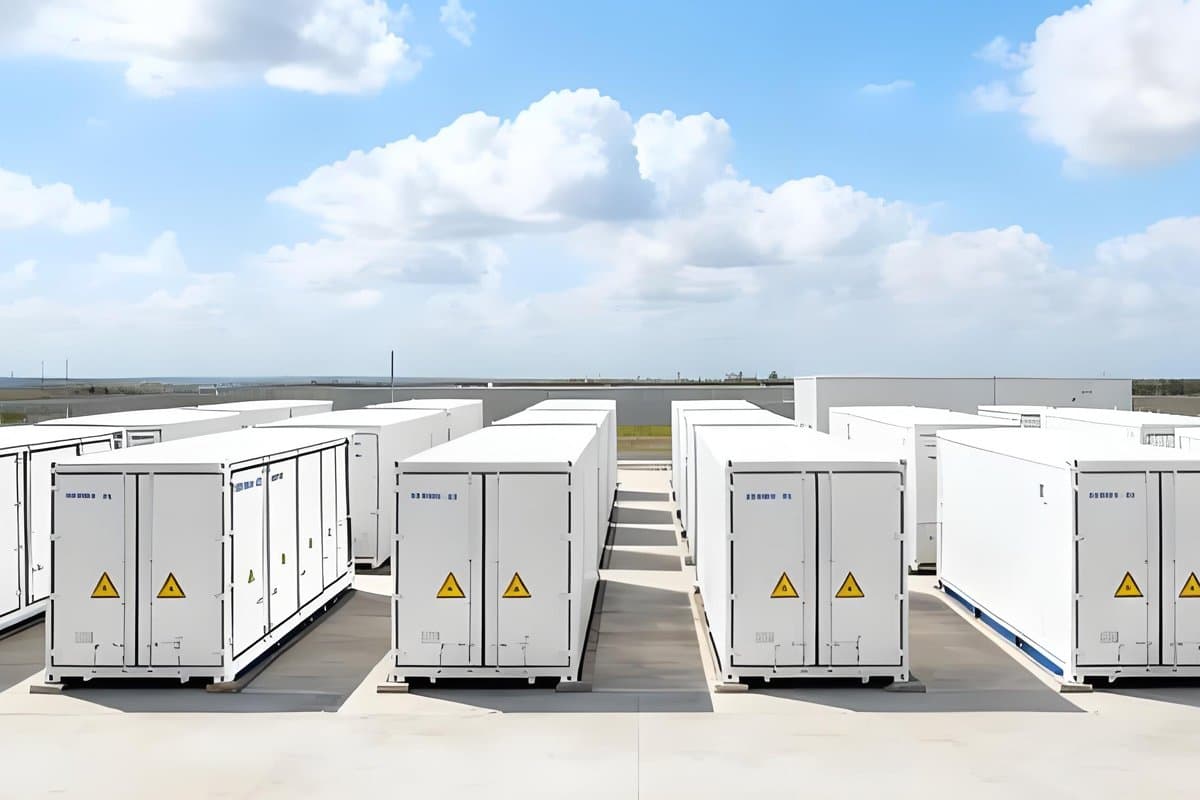
Energy Storage
A storage plant cycles between charging, discharging and standby every day, and the transformer stays energised through standby, so its no-load loss is charged straight to auxiliary consumption. Coreda configures the step-up unit with fully sealed amorphous-alloy transformers, compact substations and withdrawable LV switchgear to keep auxiliary consumption and site work down.
Typical uses
- Step-up units for battery storage plants
- Commercial and industrial storage, peak shaving in parks
- Sites combining storage with solar PV or wind
Typical equipment
- Amorphous-alloy transformers
- Pad-mounted substations
- Withdrawable LV switchgear
- Containerised step-up units
Solutions and quotations
Tell us what your project needs
Send the capacity, voltage class and installation conditions, and we will come back with a selection proposal, technical data and a quotation.
- Amorphous alloy transformers
- Custom configuration
- Type-test reports
- After-sales support