
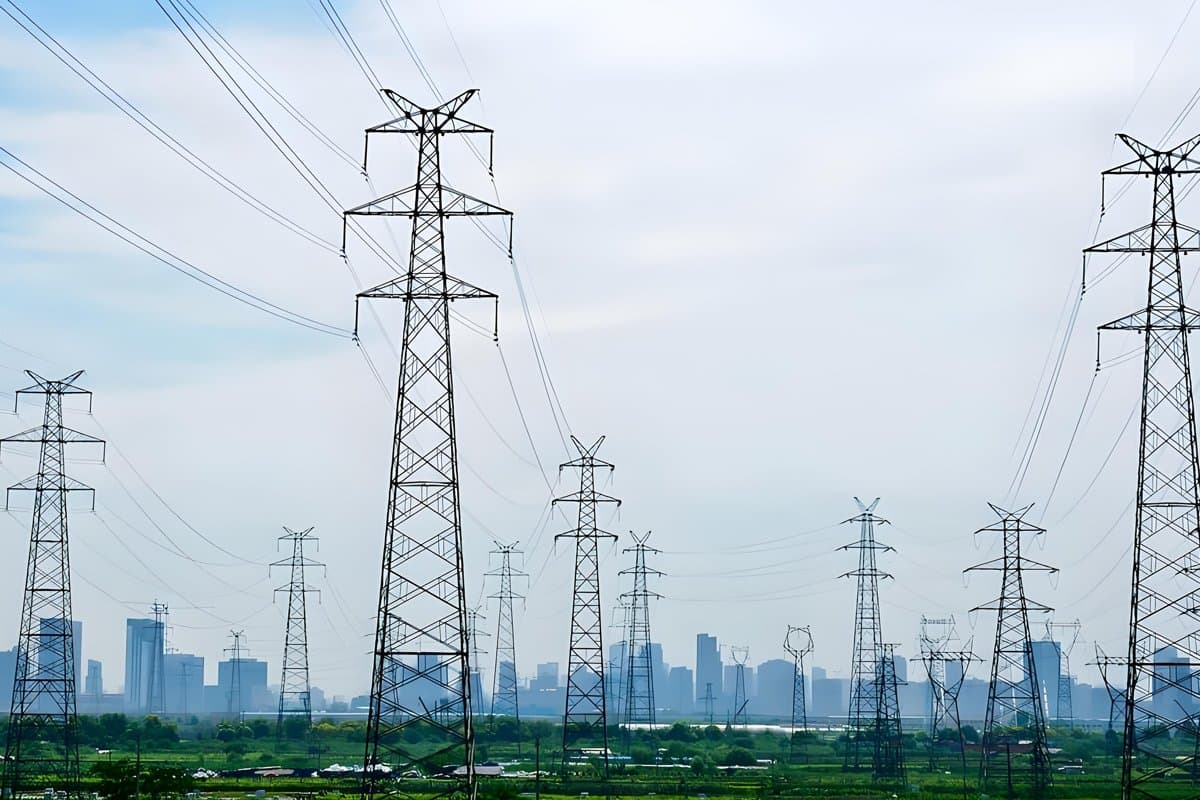
Application sector
Urban Distribution Networks
Low-loss, low-noise distribution equipment for urban substations serving residential and commercial load centres.
Distribution inside the urban load centre
Urban networks are made up of large numbers of 10 kV substations feeding housing estates, mixed-use complexes, offices and municipal facilities directly. They stay energised all year, the load curve swings between day and night and light-load periods are long, so no-load loss behaves as a fixed cost and takes a significant share of annual energy losses.
Space in cities is scarce: equipment ends up in basement substation rooms, podium levels or beside landscaped areas, under constraints on footprint, noise, fire protection and appearance. Outages for maintenance are hard to schedule once a substation is in service, which is why urban networks favour fully sealed, maintenance-free transformers and assemblies that can sit inside the load centre.
What urban substations have to cope with
The difficulty is not the rating of a single unit but the number of units and their running hours: hundreds of distribution transformers operate between light and medium load for years, and every fixed loss is multiplied by those hours.
- Long light-load periods at night and on holidays, so no-load loss weighs heavily on annual consumption
- Strict noise and fire-protection limits in substation rooms, basements and residential areas
- Tight sites that call for compact layouts and short construction schedules
- A largely cabled network: both ring-main and terminal supply arrangements must be possible
- Scattered substations and limited maintenance staff, so long maintenance-free intervals are required
Equipment selection therefore has to answer three questions at once: are the annual losses low enough, does the equipment fit on site, and will it need frequent attention once energised?
Coreda's approach for urban networks
We build the configuration around low no-load loss, compact prefabrication and maintenance-free operation, combining transformer, MV switchgear and LV distribution into a substation package that suits the site.
Recommended configuration:
- SCBH19 amorphous-alloy dry-type transformer: grade 1 energy efficiency, amorphous-alloy core with vacuum-cast epoxy resin and class H insulation, flame-retardant and explosion-proof — suited to basement substation rooms and load centres in tall buildings.
- SBH25 amorphous-alloy oil-immersed transformer: wound amorphous-alloy core in a fully sealed corrugated tank (ONAN), no-load loss roughly 1/3 to 1/4 of a silicon-steel S13 unit of the same rating and noise about 5–10 dB(A) lower.
- YBM European-style prefabricated substation: MV switchgear, distribution transformer and LV distribution assembled in the factory, small footprint and short installation time, to GB 17467—1998.
- GGD and GCS LV assemblies: fixed or withdrawable cubicles depending on the number of feeders, covering incoming, feeder and reactive-power compensation duties.
The three families combine freely by substation size: dry-type transformers indoors, complete prefabricated substations outdoors and in industrial parks, and like-for-like replacement to bring losses down step by step in retrofit projects.
Recommended products
Product configurations for this sector
SCBH19
Rated capacity:
30–2500 kVA
Voltage class:
10 kV / 0.4 kV
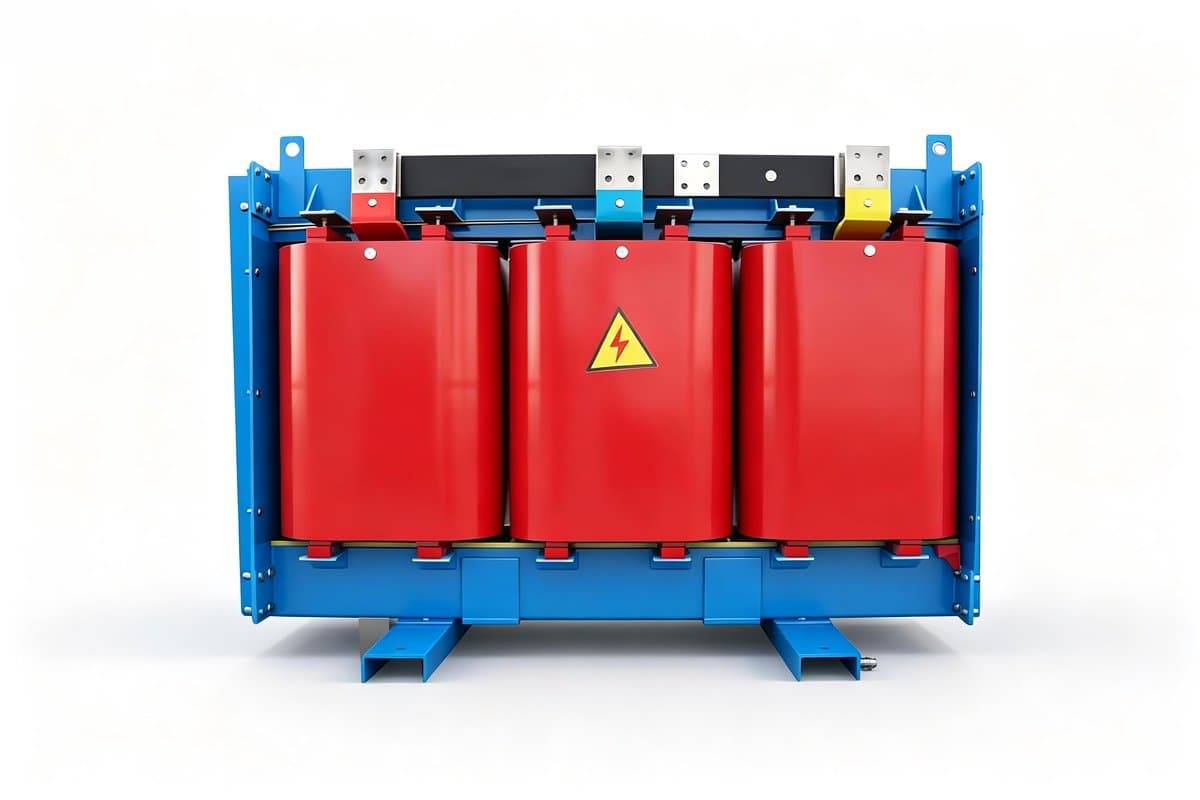
SCBH19 Amorphous-Alloy Dry-Type Transformer
Amorphous-alloy dry-type transformer meeting the Chinese Grade 1 efficiency standard, with vacuum-cast epoxy insulation and 15%–30% lower no-load loss.
SBH25
Rated capacity:
30–2500 kVA
Voltage class:
10 kV / 0.4 kV
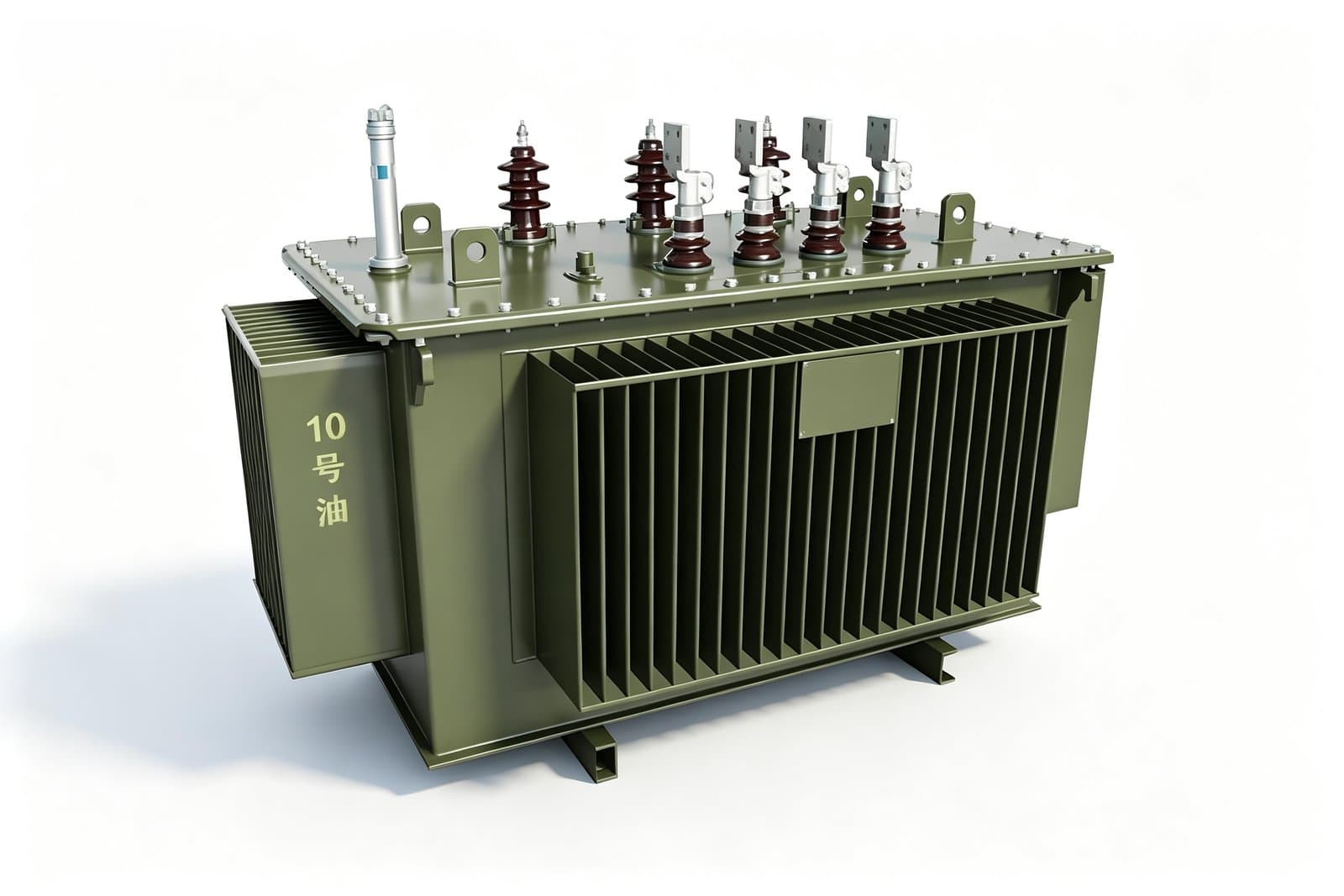
SBH25 Amorphous-Alloy Oil-Immersed Transformer
Amorphous alloy wound core in a fully sealed corrugated tank; no-load loss is about one third to one quarter of a comparable S13 silicon-steel unit.
YBM
Rated capacity:
to order
HV rating:
to order
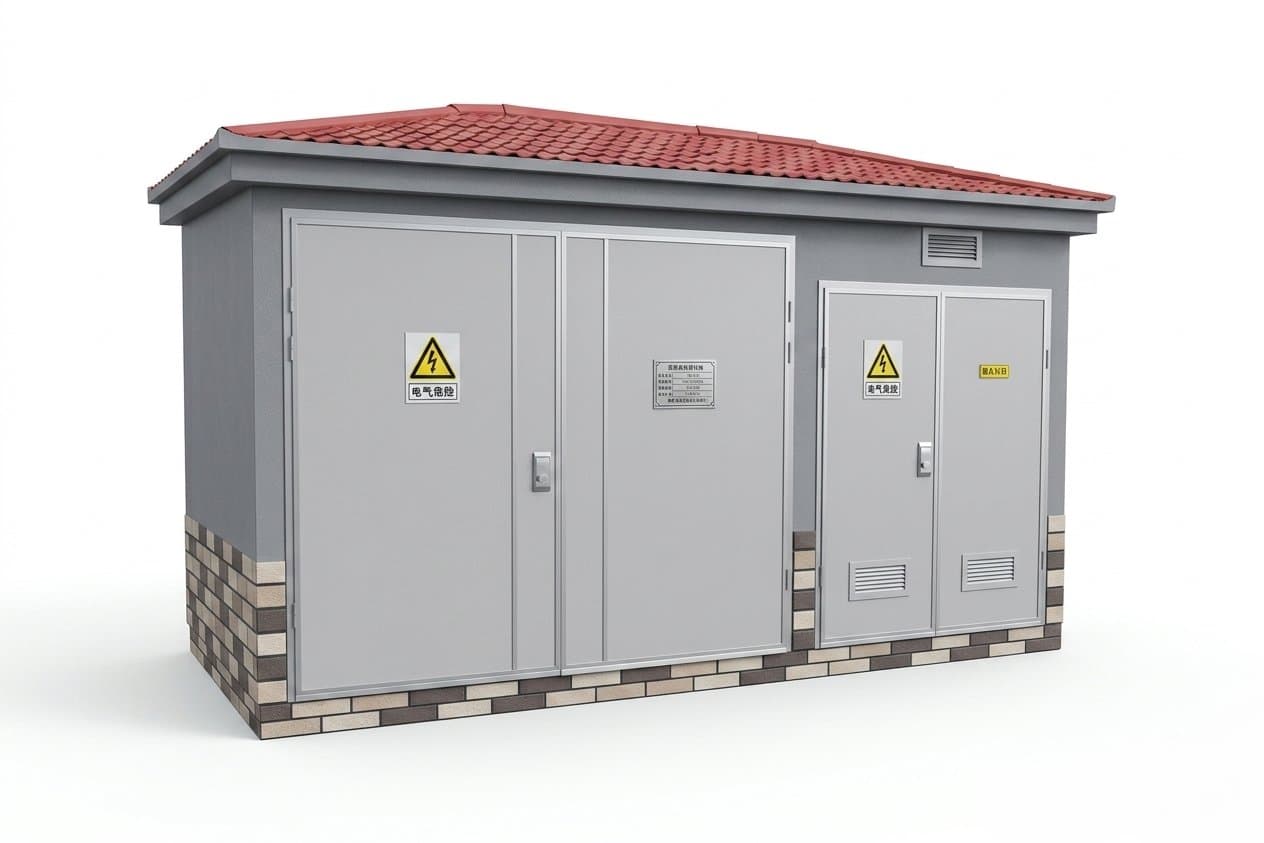
YBM Prefabricated Box Substation (European-Style)
Factory-built assembly of HV switchgear, distribution transformer and LV switchgear in a fully enclosed steel housing: small footprint, safe operation.
More sectors
Explore other application sectors
Energy Storage
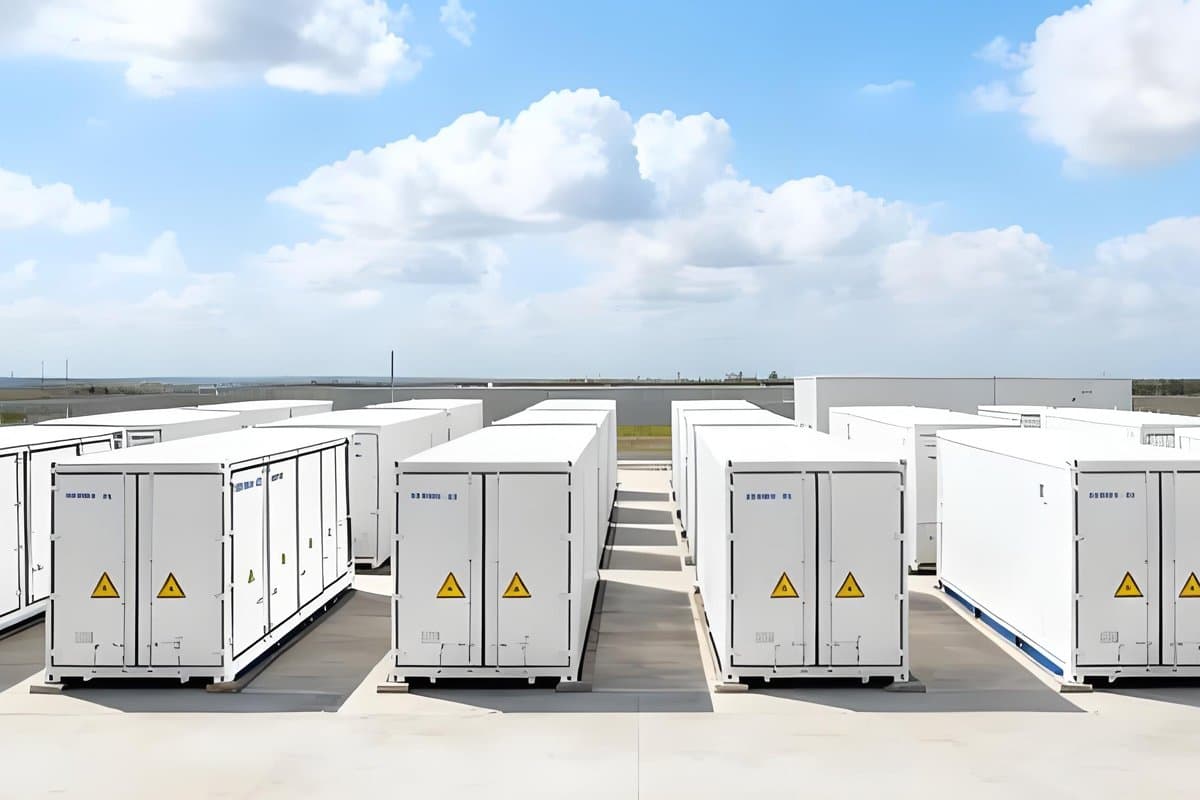
A storage plant cycles between charging, discharging and standby every day, and the transformer stays energised through standby, so its no-load loss is charged straight to auxiliary consumption. Coreda configures the step-up unit with fully sealed amorphous-alloy transformers, compact substations and withdrawable LV switchgear to keep auxiliary consumption and site work down.
Typical uses
- Step-up units for battery storage plants
- Commercial and industrial storage, peak shaving in parks
- Sites combining storage with solar PV or wind
Typical equipment
- Amorphous-alloy transformers
- Pad-mounted substations
- Withdrawable LV switchgear
- Containerised step-up units
Solar PV
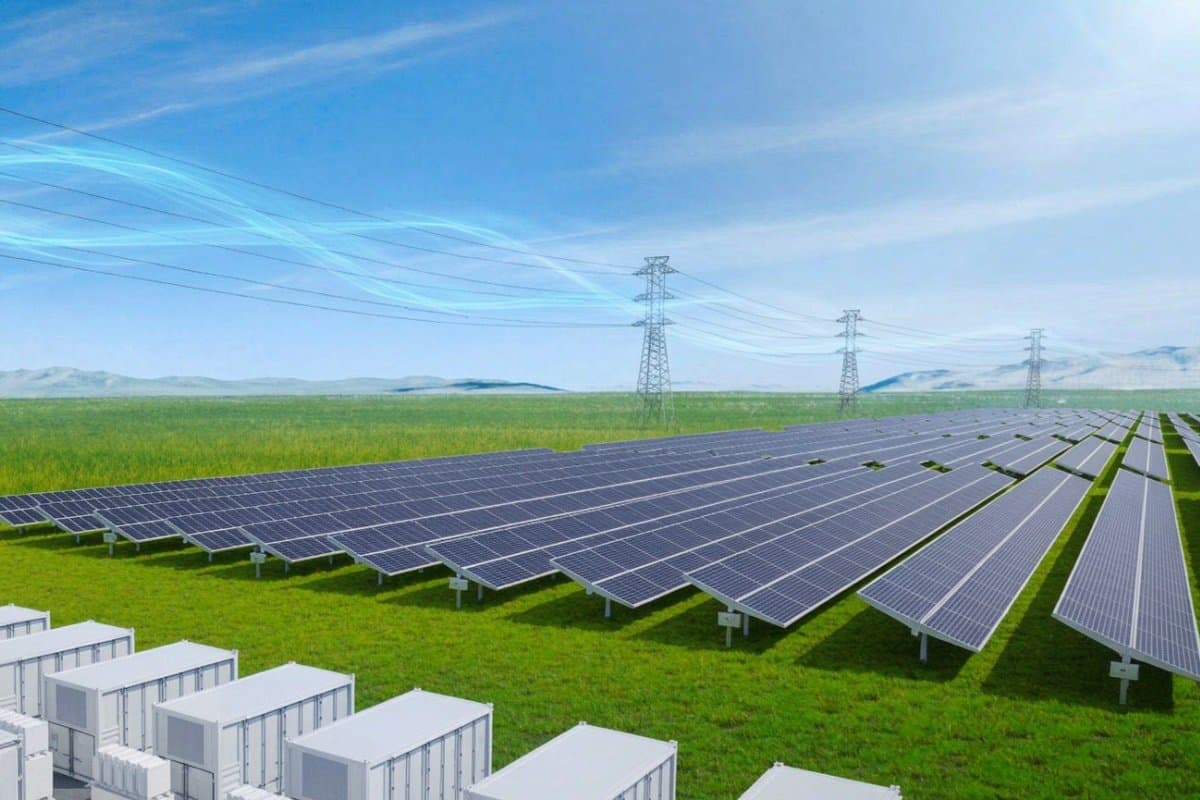
A PV plant's output follows the sun — zero at night, while the step-up transformer stays energised — so no-load loss takes a visible share of site losses. Coreda offers step-up configurations for both ground-mounted and distributed projects, combining amorphous-alloy transformers with prefabricated substations to cut site losses and the footprint of the connection point.
Typical uses
- Step-up units for ground-mounted arrays
- Rooftop and industrial-park connection points
- Step-up stage of combined PV and storage sites
Typical equipment
- Box-type substations
- Compact pad-mounted substations
- Amorphous-alloy oil-immersed transformers
- Distributed connection
Solutions and quotations
Tell us what your project needs
Send the capacity, voltage class and installation conditions, and we will come back with a selection proposal, technical data and a quotation.
- Amorphous alloy transformers
- Custom configuration
- Type-test reports
- After-sales support