

Application sector
Metallurgy
Direct MV supply and shop-floor LV distribution for metallurgical plants.
How a metallurgical plant draws power
Production lines in metallurgy are characterised by continuous operation: heating, rolling, fans and pumps run day and night, and a single line consumes a great deal of energy. The load combines steady auxiliary demand with impact loads that follow the process cycle, so the distribution system has to carry high current and frequent variation at the same time.
Site conditions are demanding: shops are hot and dusty, and some areas add metal swarf and oil mist. Substations are usually placed in the bays or next to the line, both to shorten the supply radius and to keep the equipment stable and easy to inspect in a hot, dusty environment.
What metallurgical plants have to cope with
Metallurgical distribution has to be optimised at both ends: as few transformation stages as possible upstream, motor circuits as easy to maintain as possible downstream.
- Continuous production and high annual running hours, which magnify every loss
- Impact loads and large motor starts causing current variation
- Heat, dust and metal swarf in the shop affecting cooling and insulation
- Multiple transformation stages adding footprint, investment and maintenance points
- Costly downtime, so a faulty circuit must be isolated and replaced quickly
Removing a transformation stage, keeping overload margin in the equipment and making drawers quick to change are the three measures that pay off most in a metallurgical retrofit.
Coreda's approach for metallurgy
We take the medium voltage directly to the load centre with 20 kV and 35 kV dry-type transformers, then handle shop-level distribution with low-loss oil-immersed transformers and withdrawable LV switchgear.
Recommended configuration:
- 20 kV and 35 kV SC(B)10 and SC(B)11 dry-type transformers: step 35 kV or 20 kV directly down to a 400 V distribution supply or to 10 kV, removing a 10 kV transformation stage; class H (180 °C) or class F insulation, 120% continuous overload without forced cooling, with low-noise fans available for forced air cooling.
- S13, S20 and S22 10 kV low-loss transformers: ratings from 30 kVA to 2500 kVA in a fully sealed tank, maintenance-free, with good resistance to moisture, dust and corrosion for demanding conditions.
- GCS withdrawable LV switchgear: rated operating voltage 380 (660) V and rated current up to 4000 A for incoming, feeder, centralised motor control and reactive-power compensation duties, with the functional compartments separated from one another.
Direct MV supply saves the footprint and the losses of an intermediate substation, while the withdrawable design confines a circuit fault to one drawer, which can be dealt with in a short shutdown window.
Recommended products
Product configurations for this sector
SC(B)10 / SC(B)11
Rated capacity:
50–20000 kVA
Voltage class:
20 kV, 35 kV / 0.4 kV (power type 3.15–11 kV)
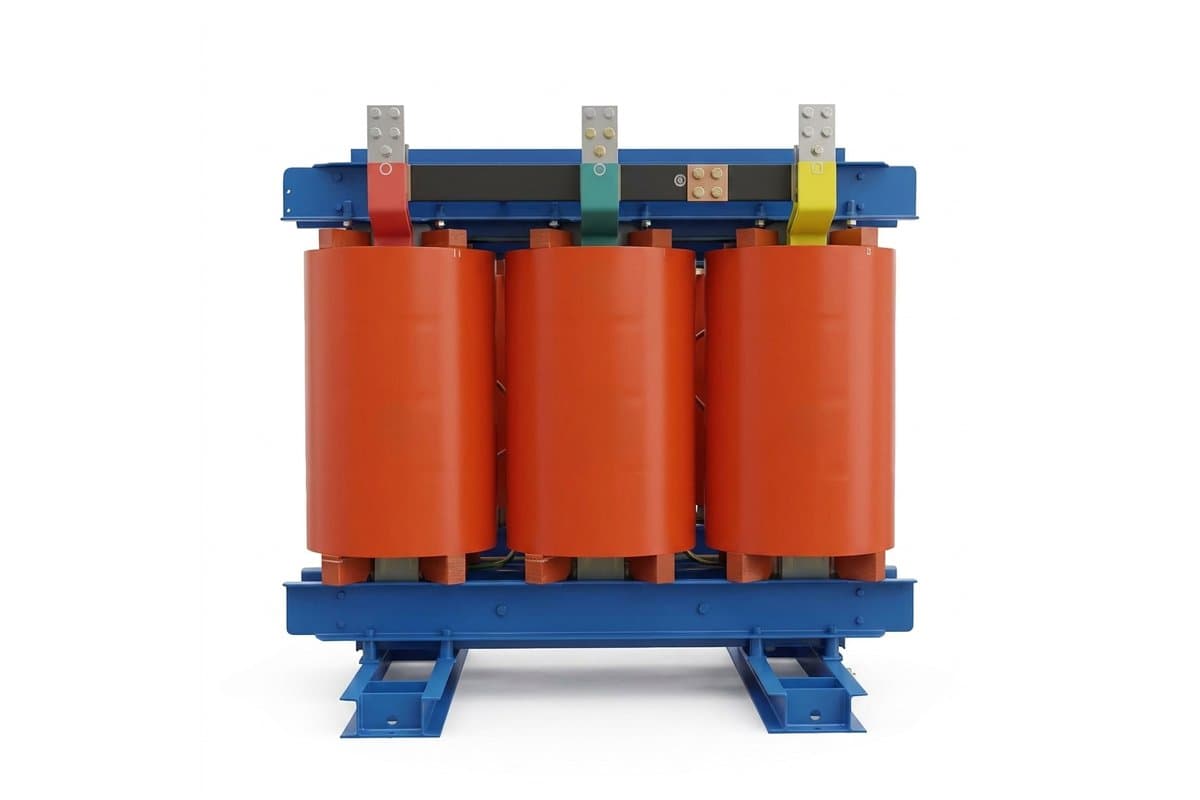
20 kV and 35 kV SC(B)10 / SC(B)11 Dry-Type Transformer
Low-loss dry-type transformer stepping 35 kV or 20 kV grid supply directly down to 400 V distribution or 10 kV transmission.
S13 / S20 / S22
Rated capacity:
30–2500 kVA
Voltage class:
10 kV / 0.4 kV
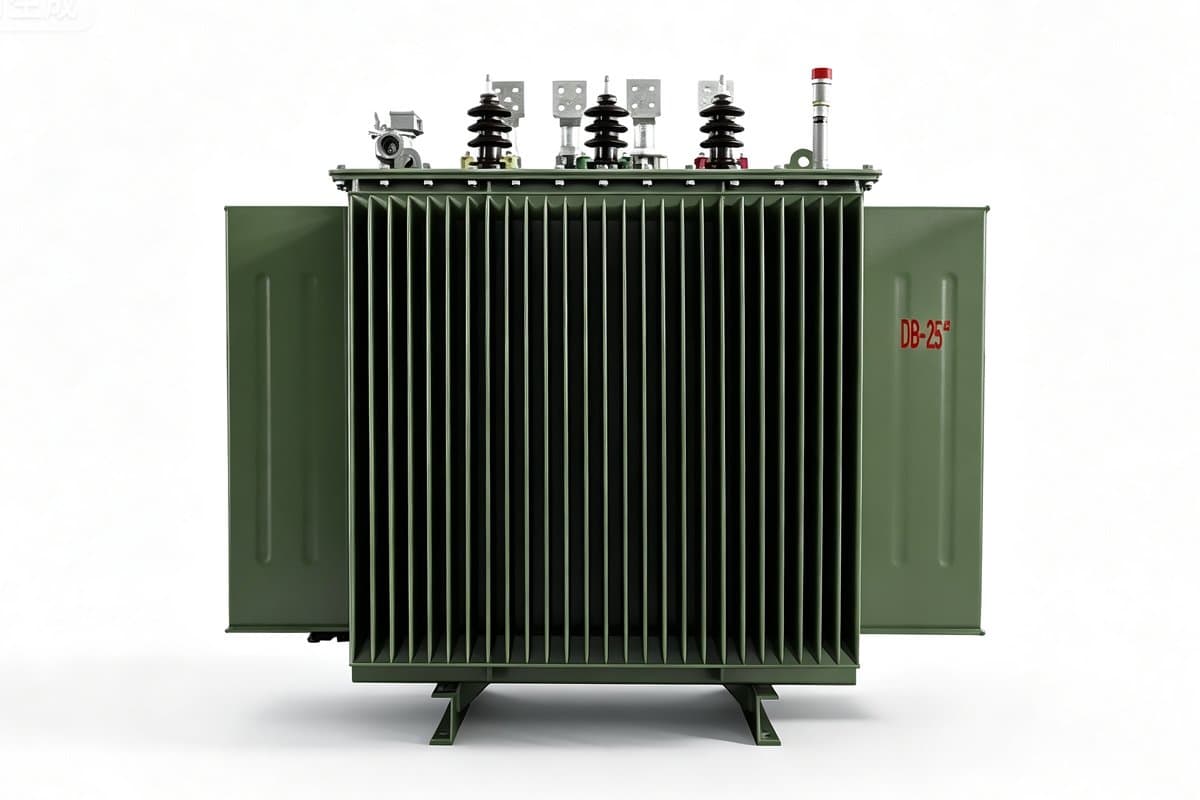
S13 / S20 / S22 10 kV Low-Loss Power Transformer
New-generation energy-saving distribution transformer covering 30–2500 kVA for 10 kV, 50 Hz transmission and distribution systems.
GCS
Rated voltage:
AC 380 V / 660 V, 50/60 Hz
Rated current:
≤ 4000 A
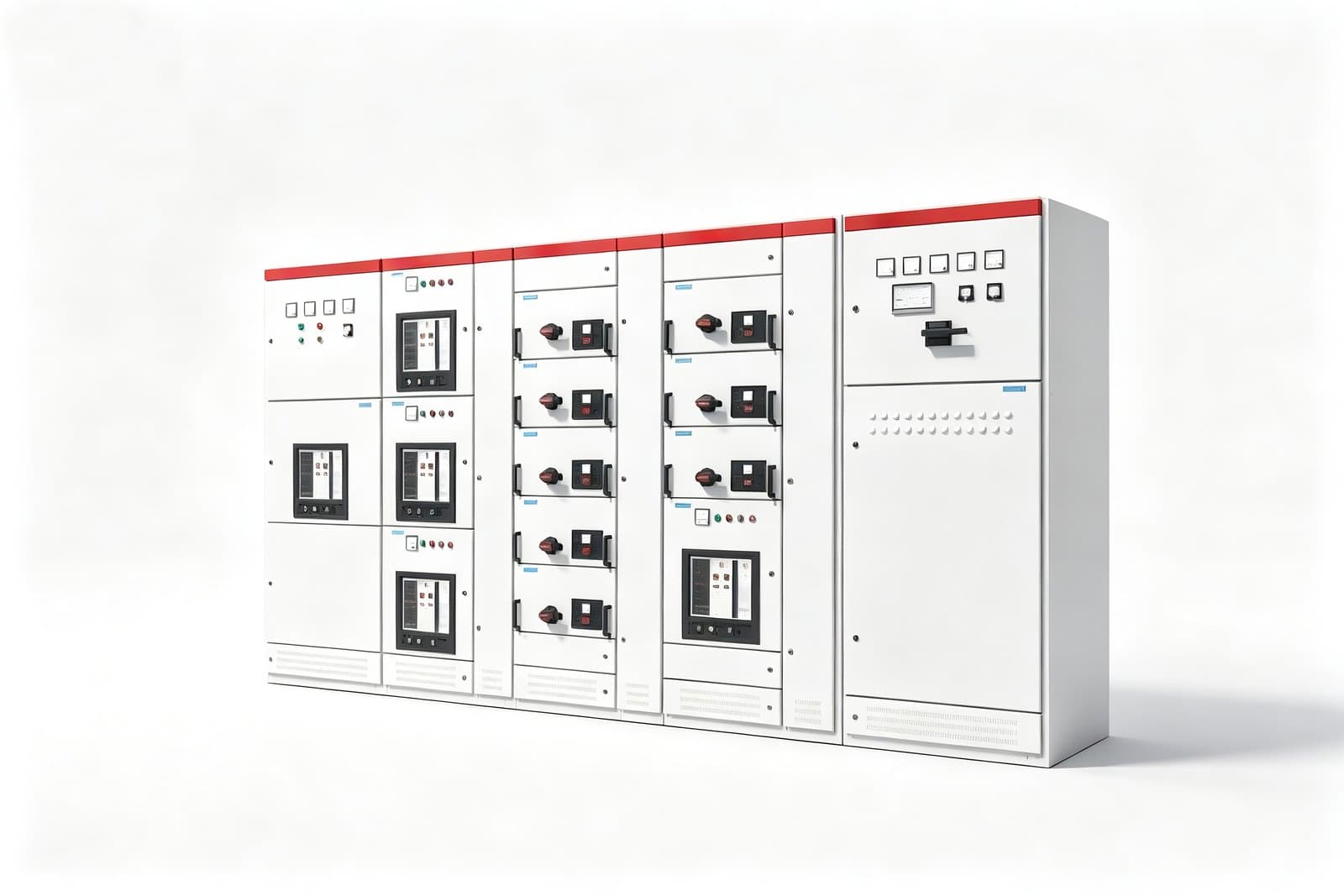
GCS AC Low-Voltage Withdrawable Switchgear
Withdrawable LV switchgear assembly for 50/60 Hz, 380/660 V networks up to 4000 A, used for incoming and feeder circuits and centralised motor control.
More sectors
Explore other application sectors
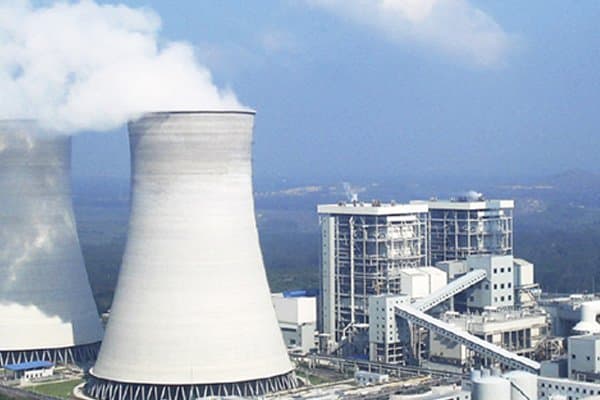
Power Facilities
Auxiliary supplies in power plants and substations, and public distribution rooms, carry many circuits and offer short maintenance windows, so a single fault can affect a whole row of cubicles. Coreda pairs wound-core oil-immersed transformers with GGD fixed and MNS withdrawable assemblies to keep a fault inside one compartment.
Typical uses
- Plant and substation auxiliary supplies
- Public distribution rooms and switching stations
- LV side of main step-down substations in industry
Typical equipment
- Wound-core transformers
- LV assemblies
- PC and MCC distribution
- Station auxiliary supply
Ports and Shipbuilding
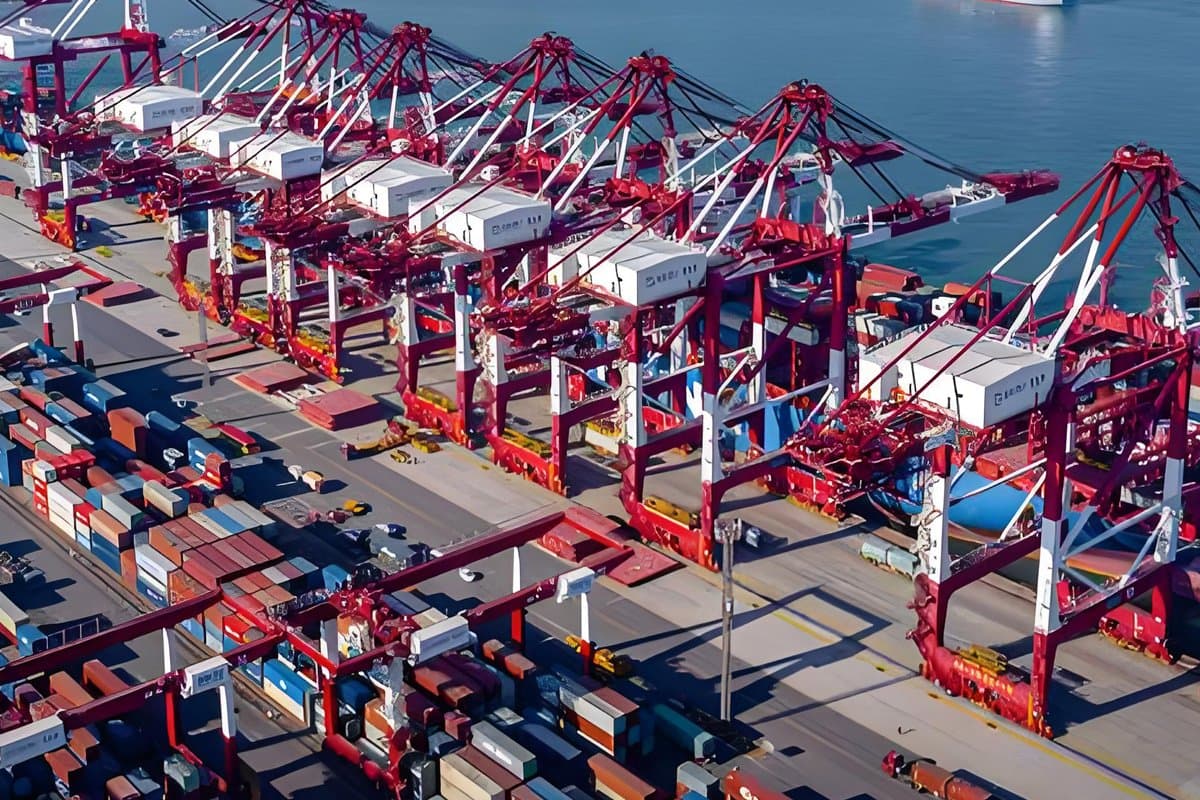
Quayside cranes and shipyard welding plant start and stop constantly, producing repeated inrush currents and short-time overloads, while a coastal site adds salt fog, humidity and dust. Coreda uses non-encapsulated class H and epoxy cast-resin dry-type transformers with GCK withdrawable LV switchgear to meet both the electrical and the environmental demands.
Typical uses
- Supply to quayside handling equipment
- Distribution in dry docks and outfitting shops
- Port warehouses, yards and ancillary facilities
Typical equipment
- Class H non-encapsulated transformers
- Epoxy cast-resin dry-type
- Withdrawable LV switchgear
- Salt-fog protection
Solutions and quotations
Tell us what your project needs
Send the capacity, voltage class and installation conditions, and we will come back with a selection proposal, technical data and a quotation.
- Amorphous alloy transformers
- Custom configuration
- Type-test reports
- After-sales support