
Application sector
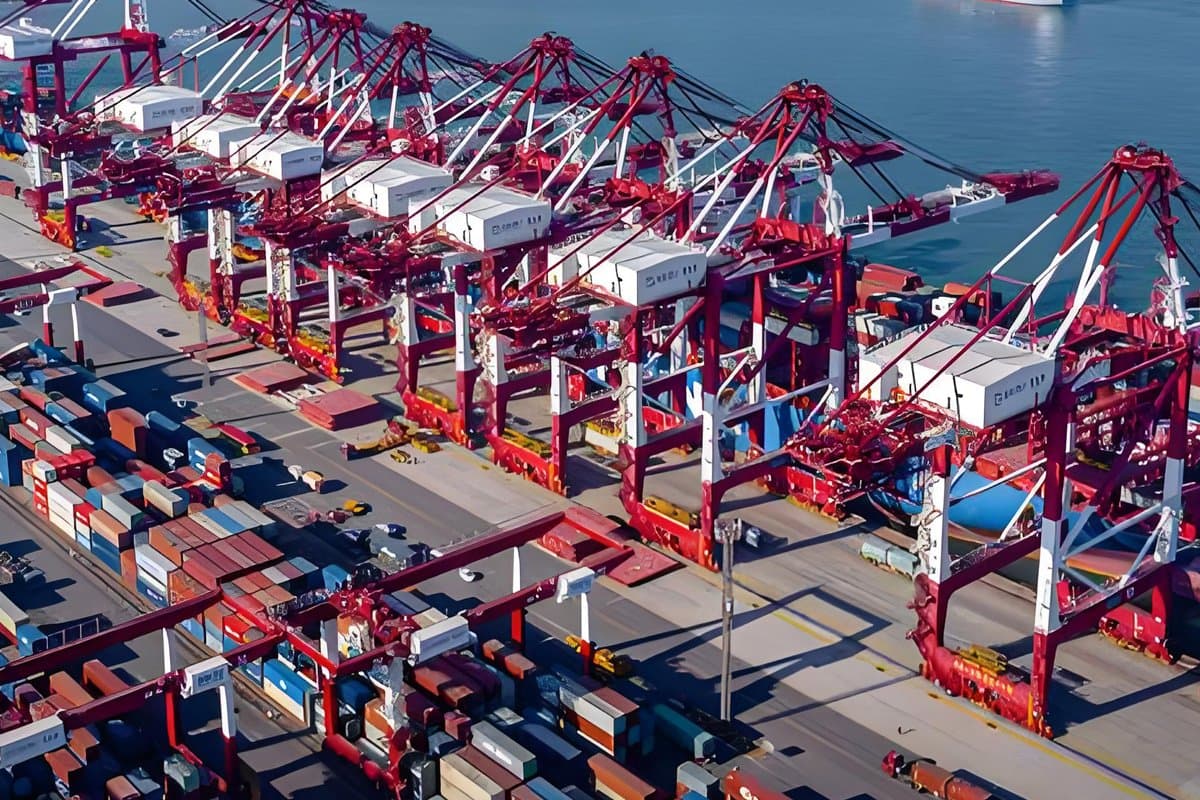
Ports and Shipbuilding
Moisture-, corrosion- and overload-tolerant distribution equipment for quays, dry docks and outfitting shops.
How ports and shipyards draw power
Power use in ports and shipbuilding areas concentrates in handling machinery, dry docks and outfitting shops: ship-to-shore and gantry cranes, winches and heavy welding plant start and stop constantly, the load curve swings sharply, and inrush currents with repeated short-time overloads are normal. Work follows the shipping schedule around the clock, and supply points move with the berth or the building dock.
These sites also sit in a marine environment, with high humidity, salt fog and dust or oil mist settling on the equipment. Switchgear often stands at the quay edge, inside workshop bays or at temporary supply points, so requirements for moisture, salt-fog and corrosion protection and for flame retardance are higher than inland.
What ports and shipyards have to cope with
Equipment on a coastal site faces two pressures at once: sharp electrical variation, and steady environmental attack.
- Lifting and welding loads that start and stop constantly, with repeated short-time overloads and inrush currents
- Salt fog, humidity and dust accelerating corrosion of metalwork and degradation of insulation
- High fire-protection requirements in workshops and docks, with no toxic gas released if equipment burns
- Supply points that move with the production sequence, so assemblies must be easy to extend and rearrange
- Numerous motor circuits calling for centralised control and quick replacement
The right answer here is a dry-type transformer that tolerates moisture, corrosion and overload, together with withdrawable assemblies whose structure has been treated against corrosion.
Coreda's approach for ports and shipyards
We build around non-encapsulated class H transformers, which contain no combustible resin, and epoxy cast-resin dry-type units, with withdrawable LV cubicles organising the motor and feeder circuits.
Recommended configuration:
- Class H non-encapsulated dry-type transformer: Nomex® winding insulation (class C, usable continuously at 220 °C) with the transformer rated class H (180 °C), capable of 20% continuous overload without forced cooling, suited to damp environments and widely varying loads.
- 10 kV SC(B)11–SC(B)18 epoxy cast-resin dry-type transformer: windings that do not absorb moisture and can operate at 100% relative humidity, core clamps with an anti-corrosion coating, and an enclosure in IP20 or IP23 for outdoor duty.
- GCK withdrawable LV switchgear: metal parts galvanised or powder-coated, main busbar, functional-unit and cable compartments separated, usable for PC and MCC duties, with mechanical interlocks and anti-drop devices on the drawers.
For open-air positions choose the IP23 enclosure and allow for derating: an IP23 enclosure reduces the cooling capacity of the transformer by about 5% on small ratings and about 10% on large ones.
Recommended products
Product configurations for this sector
SG(B)10 / SG(B)11
Rated capacity:
30–2500 kVA
Voltage class:
6–11 kV / 0.4 kV
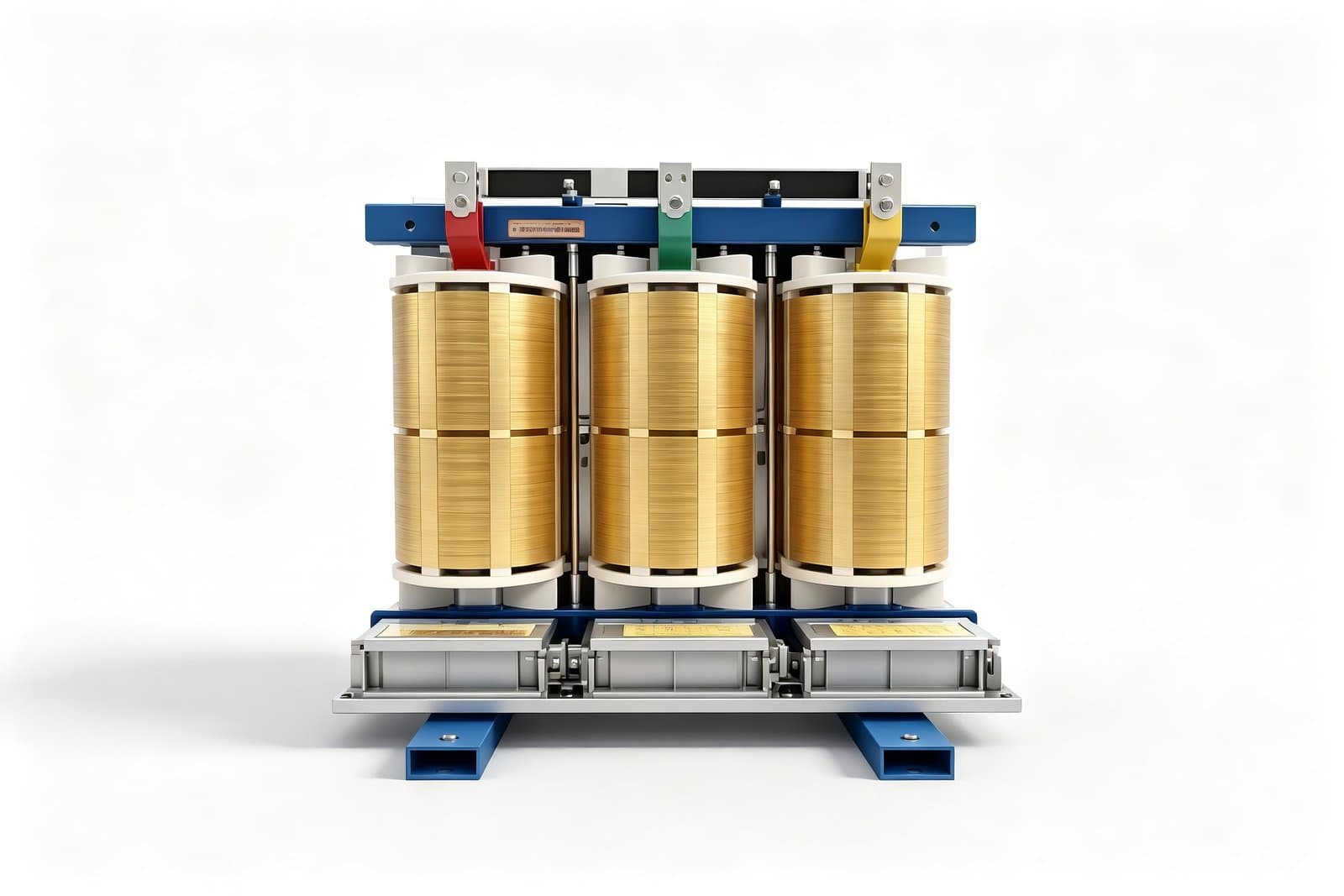
Class H Non-Encapsulated Dry-Type Power Transformer
Non-encapsulated dry-type transformer free of combustible resin, with Nomex® insulation, VPI curing and 20% continuous overload without forced cooling.
SC(B)11–SC(B)18
Rated capacity:
30–2500 kVA
Voltage class:
10 kV / 0.4 kV
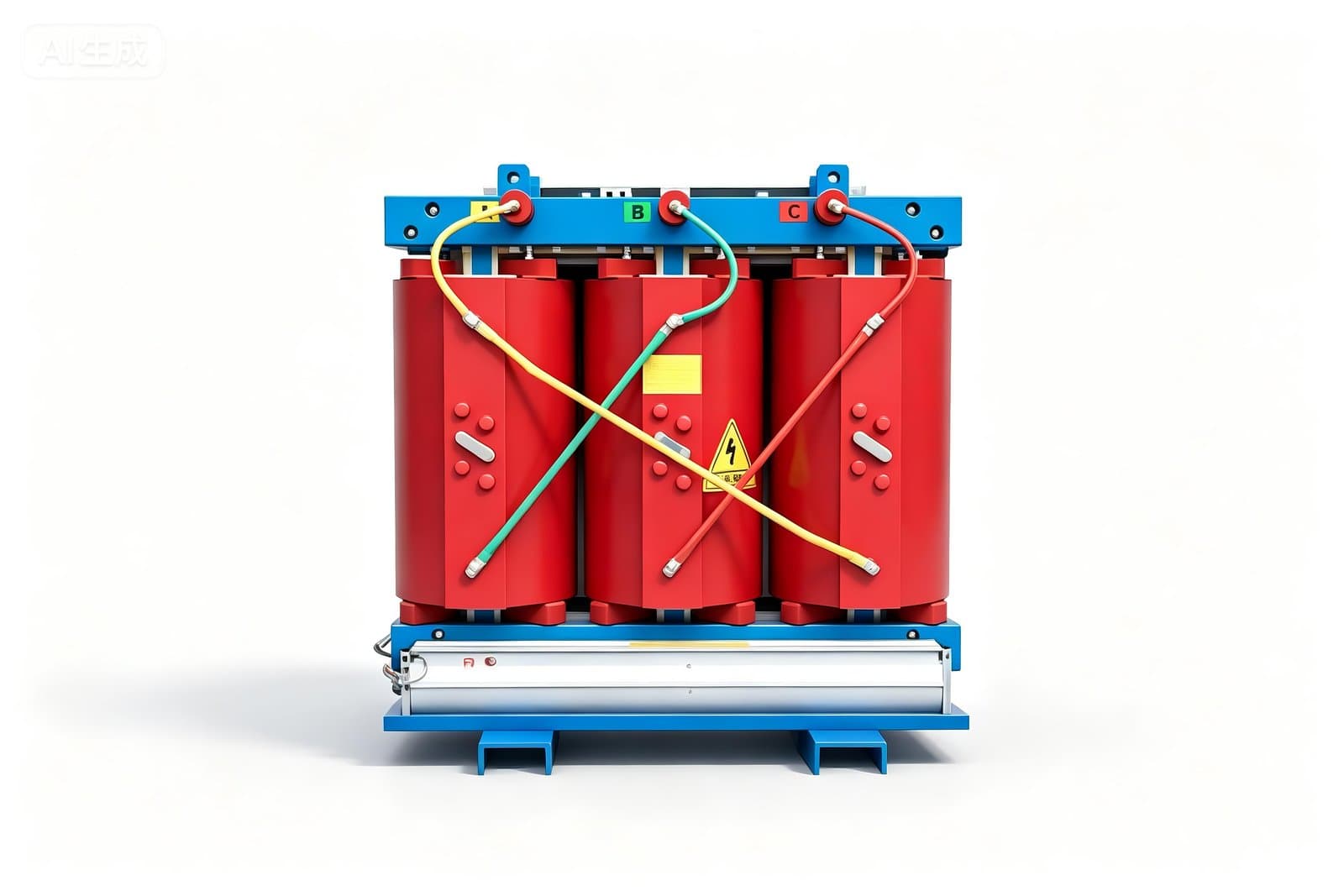
10 kV SC(B)11–SC(B)18 Epoxy Cast-Resin Dry-Type Transformer
10 kV epoxy cast-resin dry-type transformer with low noise, low loss and low partial discharge — a replacement for oil-immersed distribution transformers.
GCK
Rated voltage:
AC 380 V, 50–60 Hz
Rated current:
to order
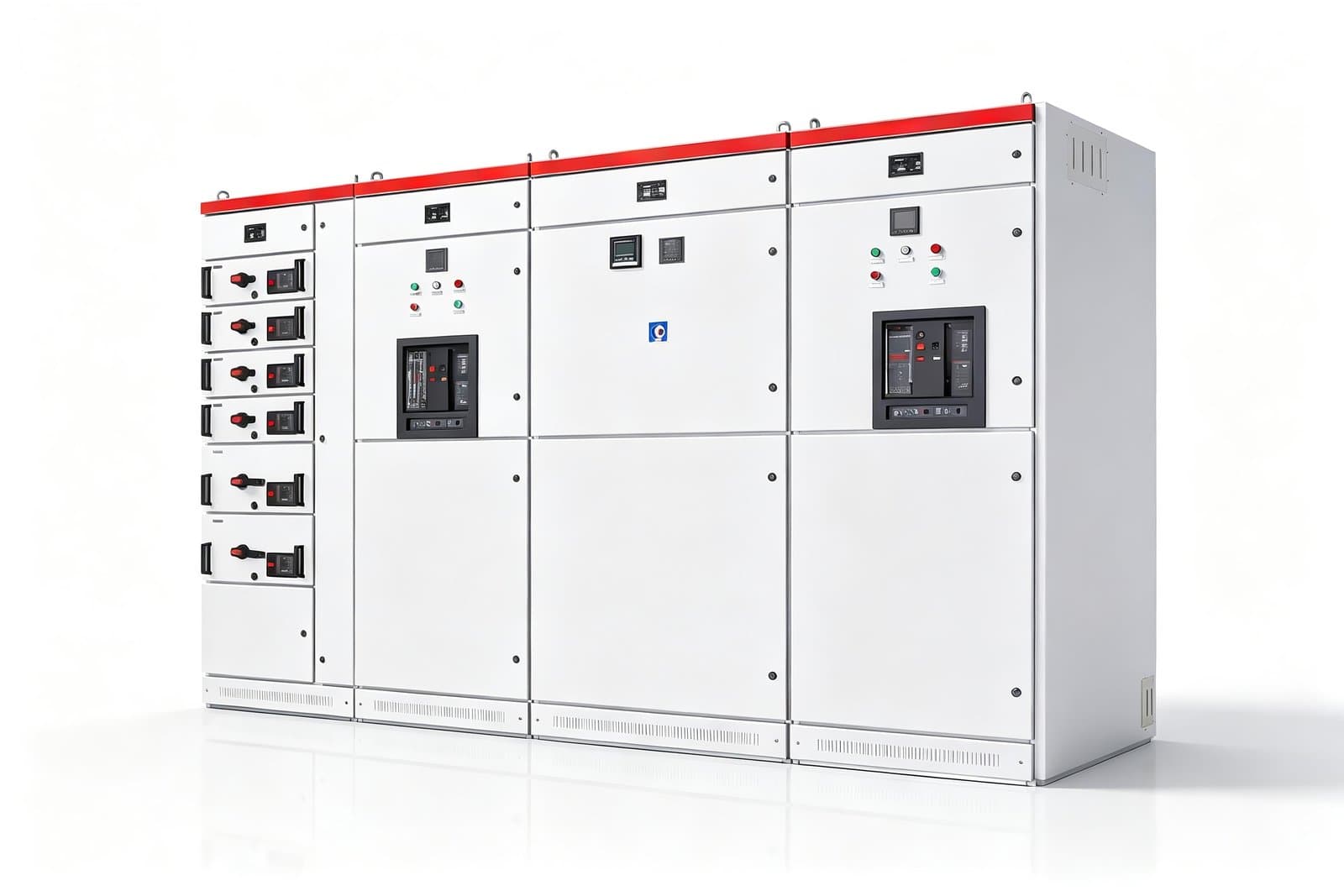
GCK AC Low-Voltage Withdrawable Switchgear
Withdrawable LV switchgear assembly for three-phase 50–60 Hz, 380 V systems, serving as power distribution (PC) and centralised motor control (MCC) equipment.
More sectors
Explore other application sectors

Metallurgy
Metallurgical lines run continuously for most of the year, impact loads and large motor starts cause noticeable current variation, and the shop floor is hot and dusty. Coreda brings medium voltage straight to the load centre with 20 kV and 35 kV dry-type transformers, then distributes at shop level with low-loss oil-immersed units and GCS withdrawable switchgear.
Typical uses
- Shop substations on rolling and casting lines
- Motor control centres for fans, pumps and auxiliaries
- Direct MV supply that removes a transformation stage
Typical equipment
- 20 kV / 35 kV dry-type transformers
- Low-loss oil-immersed transformers
- Withdrawable LV switchgear
- Motor control centres
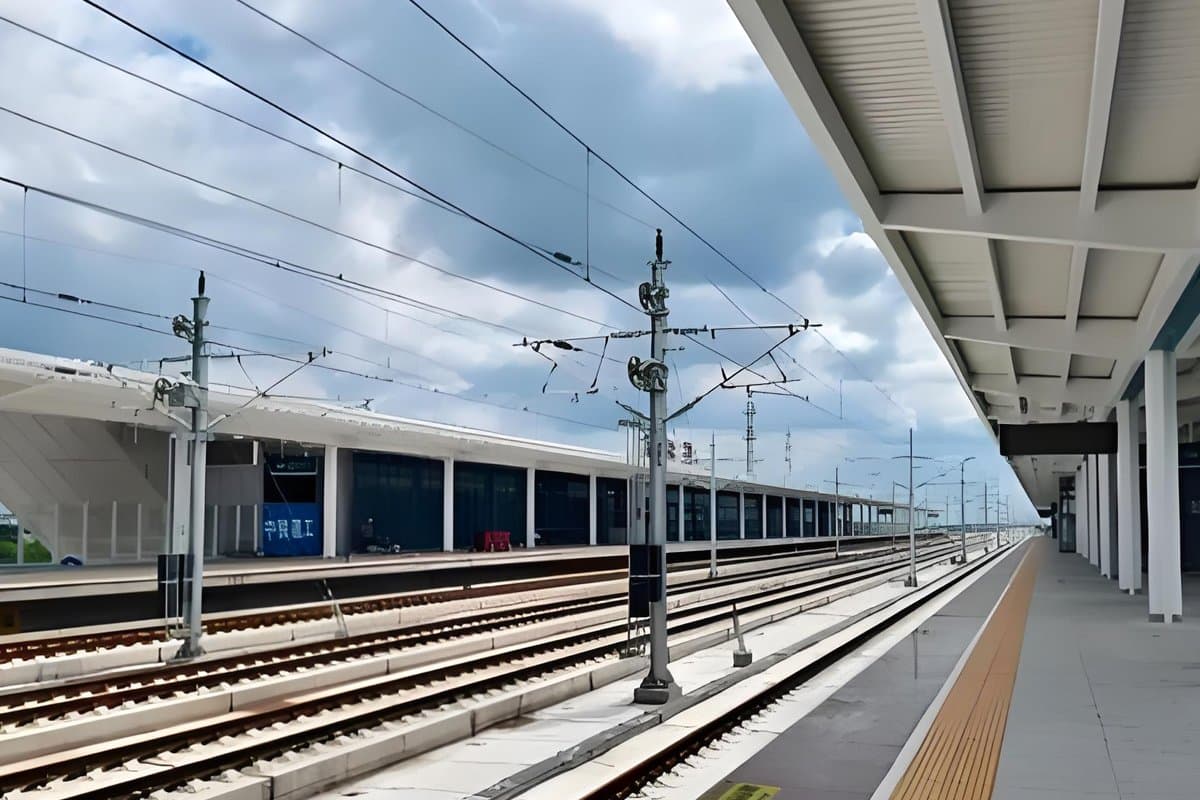
High-Speed Rail
Substations serving station buildings and lineside facilities usually sit on basement levels or in enclosed plant areas, where fire protection, noise and access for maintenance are all constrained. Coreda organises station supply around amorphous-alloy dry-type transformers and modular MNS withdrawable LV switchgear, for flame retardance, efficiency and work inside the night window.
Typical uses
- Station buildings and basement plant levels
- Depots and maintenance sheds
- Tunnels and lineside ancillary facilities
Typical equipment
- Amorphous-alloy dry-type transformers
- Class H flame-retardant insulation
- Modular LV switchgear
- Basement substations
Solutions and quotations
Tell us what your project needs
Send the capacity, voltage class and installation conditions, and we will come back with a selection proposal, technical data and a quotation.
- Amorphous alloy transformers
- Custom configuration
- Type-test reports
- After-sales support