
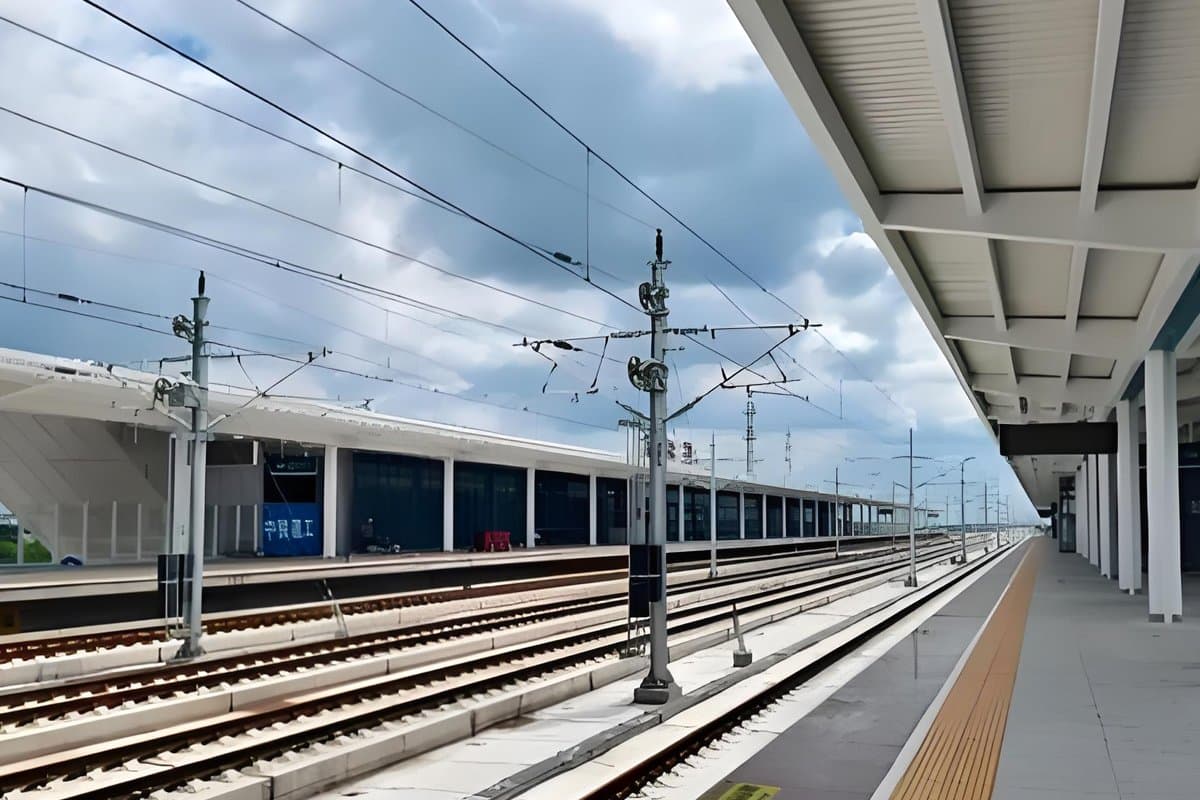
Application sector
High-Speed Rail
Flame-retardant, low-loss distribution equipment for station buildings, depots and lineside facilities.
How stations and lineside facilities draw power
Power in high-speed rail stations, depots and lineside facilities goes to ventilation, lighting, lifts and escalators, HVAC and information systems, and most of these circuits must stay supplied throughout operating hours. Substations are usually placed on a basement level, in a plant mezzanine or in an ancillary chamber — enclosed spaces with long escape routes.
The first constraint in such places is fire. If equipment catches fire, the smoke and toxic gas in an enclosed space do far more harm than the loss of the equipment itself, which is why stations and underground facilities use dry-type transformers and set requirements for the flame retardance and self-extinguishing behaviour of the insulation.
What rail projects have to cope with
The difficulty in rail distribution is not the rating but where the equipment goes, and what happens if something fails.
- Substations underground or in enclosed spaces, with limited fire protection and smoke extraction
- Passenger flow producing marked day/night and holiday variation, with long light-load periods
- Noise-sensitive station buildings, with equipment close to public areas
- Tight plant rooms and narrow routes for installation and replacement
- Long operating hours, leaving only the night window for maintenance
Equipment therefore has to be flame-retardant and non-toxic in its materials, and as low as possible in loss and noise, before it belongs alongside passengers.
Coreda's approach for rail projects
For station buildings and their ancillary facilities we supply amorphous-alloy dry-type transformers with modular LV assemblies, balancing fire protection, efficiency and ease of installation and maintenance.
Recommended configuration:
- SCBH17 amorphous-alloy dry-type transformer: meets grade 2 energy efficiency for dry-type transformers, with no-load loss 15% lower, load loss 10% lower and no-load current about 20% lower than the previous SCBH15 generation; the fully sealed class H structure is flame-retardant and explosion-proof.
- SCBH15 and SGBH15 amorphous-alloy dry-type transformers: core wound from amorphous-alloy strip, no-load loss 75% below a conventional dry-type unit; windings impregnated several times with class H solvent-free varnish under vacuum pressure (VPI), releasing no harmful gas if they burn.
- MNS withdrawable LV switchgear: E = 25 mm basic module, up to 36 quarter-module drawers per cubicle, degree of protection selectable from IP30 to IP54, with extensive use of V0 flame-retardant engineering plastics.
Drawer units are mechanically and electrically interchangeable, so a faulty circuit can be restored with a spare unit inside the night window without affecting the next day's service.
Recommended products
Product configurations for this sector
SCBH17
Rated capacity:
100–2500 kVA
Voltage class:
10 kV / 0.4 kV
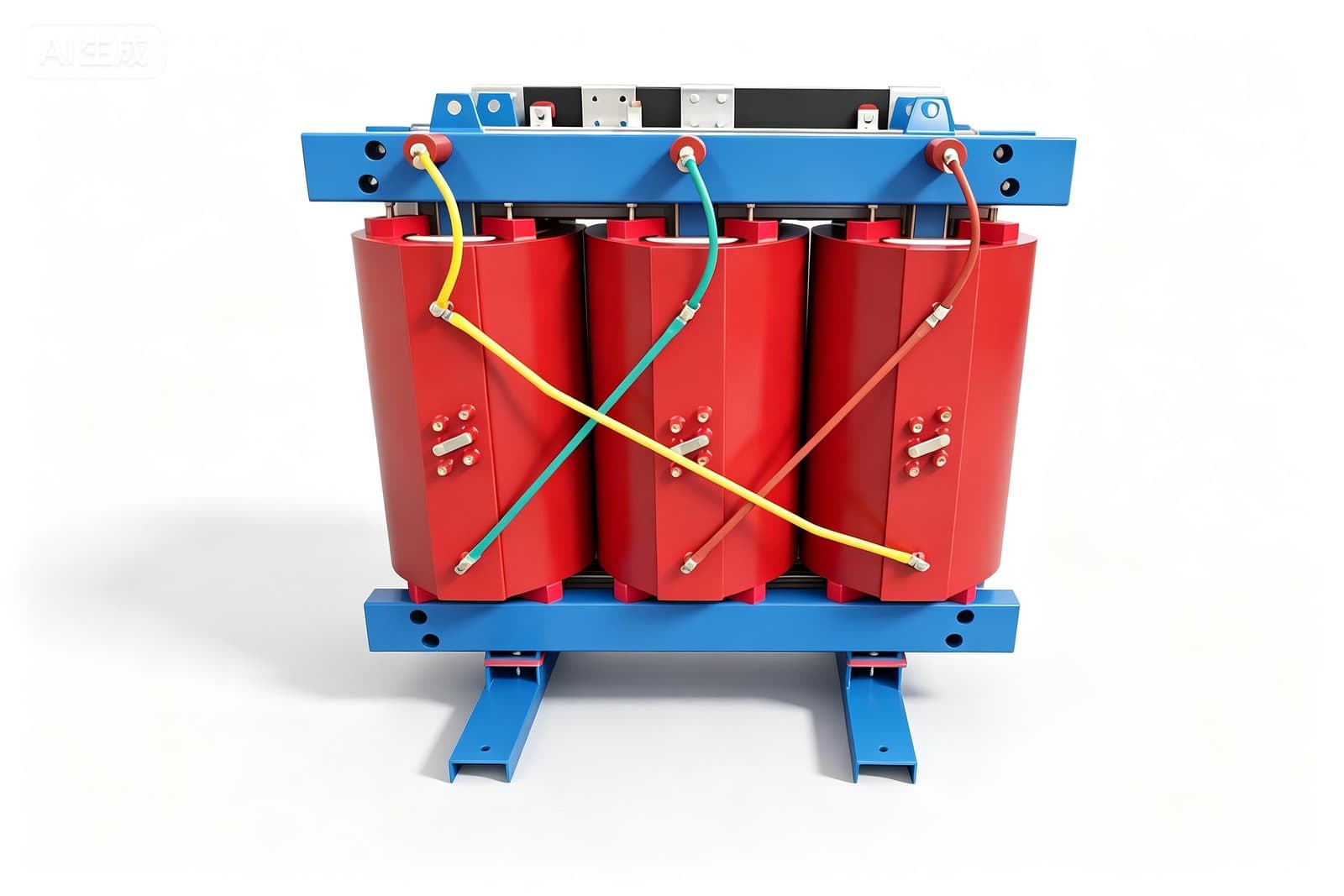
SCBH17 Amorphous-Alloy Dry-Type Transformer
Grade 2 efficiency dry-type transformer: 15% lower no-load loss, 10% lower load loss and about 20% lower no-load current than SCBH15.
SCBH15 / SGBH15
Rated capacity:
30–2500 kVA
Voltage class:
6–10 kV / 0.4 kV
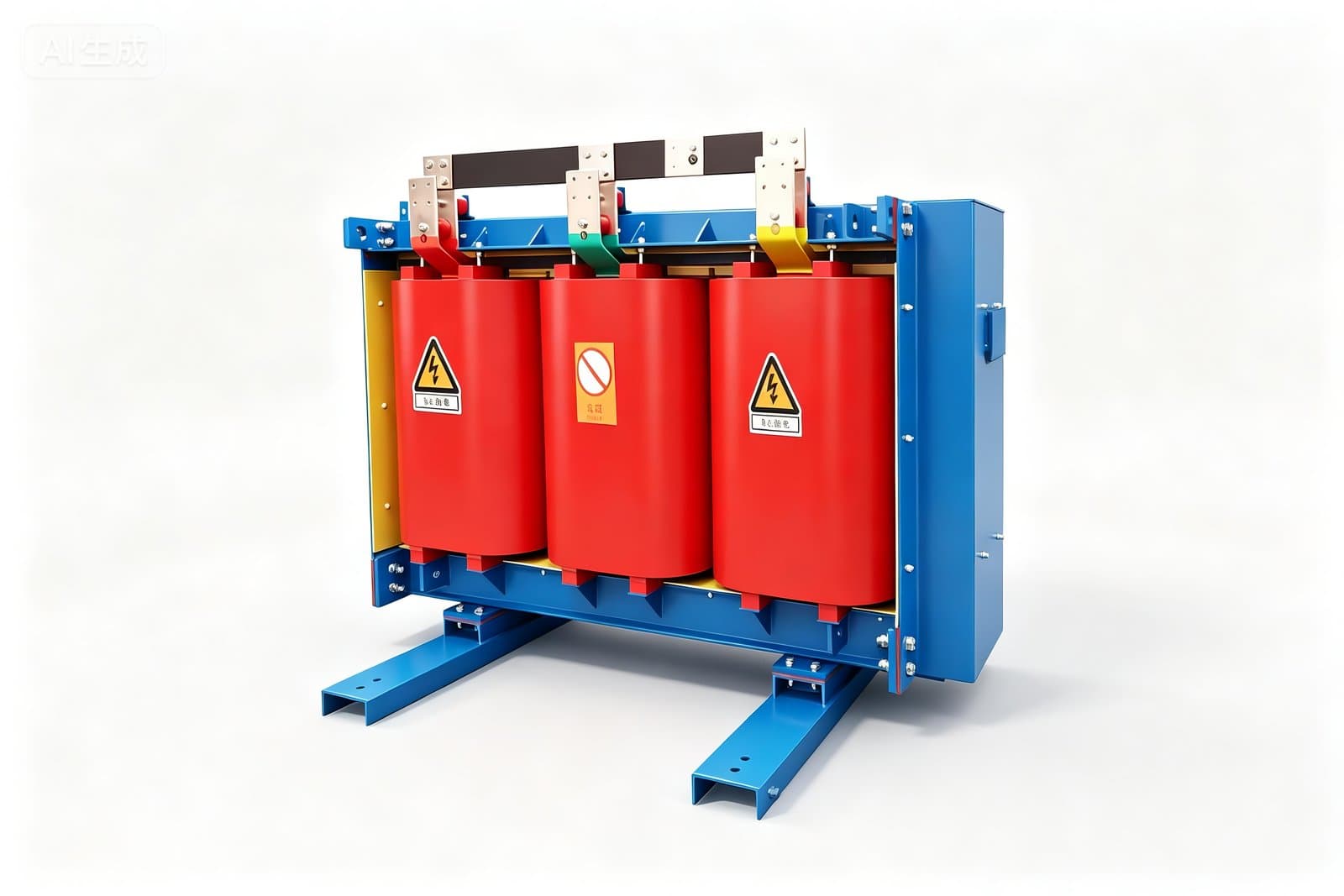
SCBH15 / SGBH15 Amorphous-Alloy Dry-Type Transformer
Amorphous-alloy core with three-phase five-limb structure: no-load loss 75% below conventional dry-type units, installable inside load centres.
MNS
Rated voltage:
AC up to 660 V, 50/60 Hz
Rated current:
to order
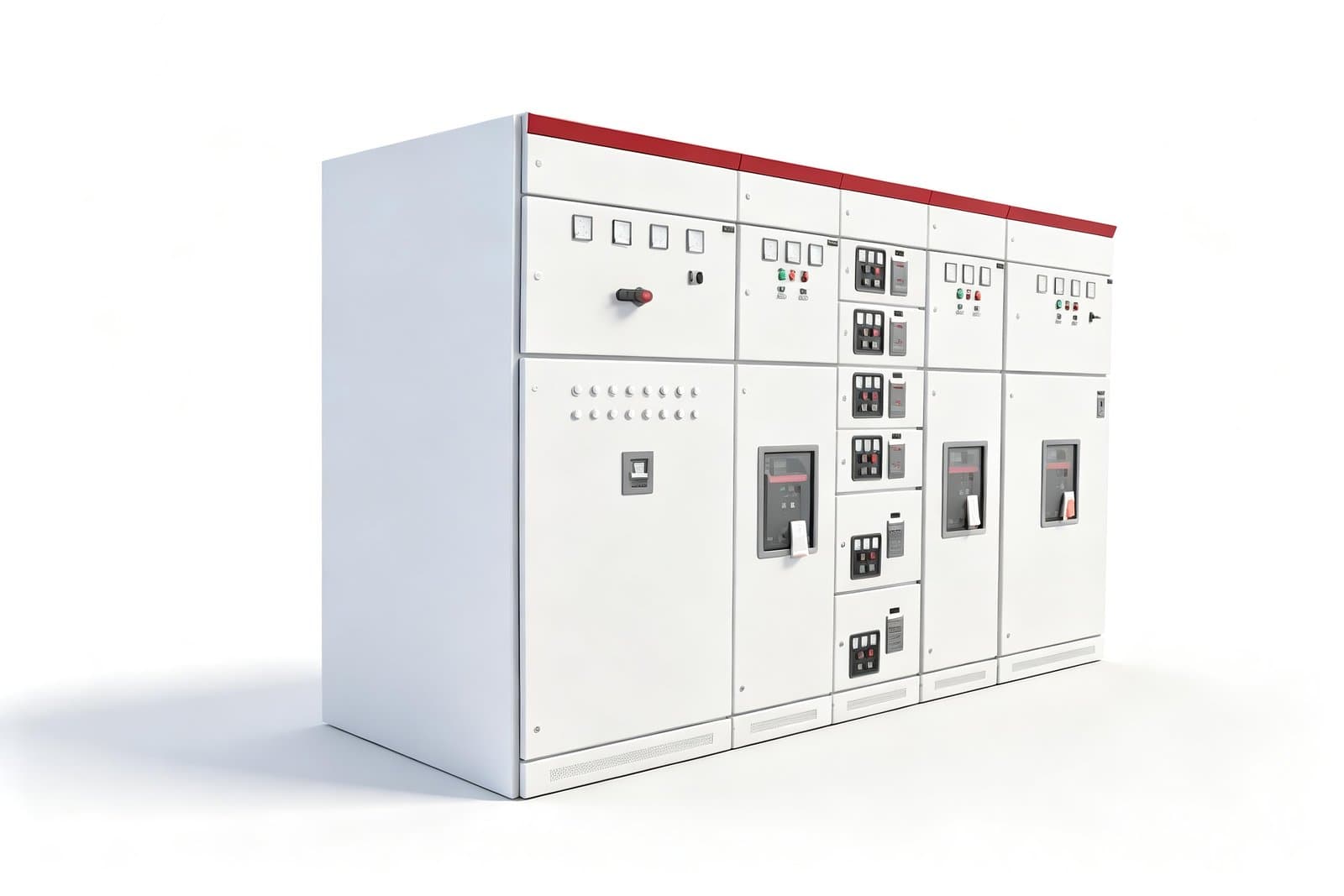
MNS AC Low-Voltage Withdrawable Switchgear
Modular withdrawable LV switchgear for 50/60 Hz systems up to 660 V, used as a power distribution centre (PC) or a motor control centre (MCC).
More sectors
Explore other application sectors
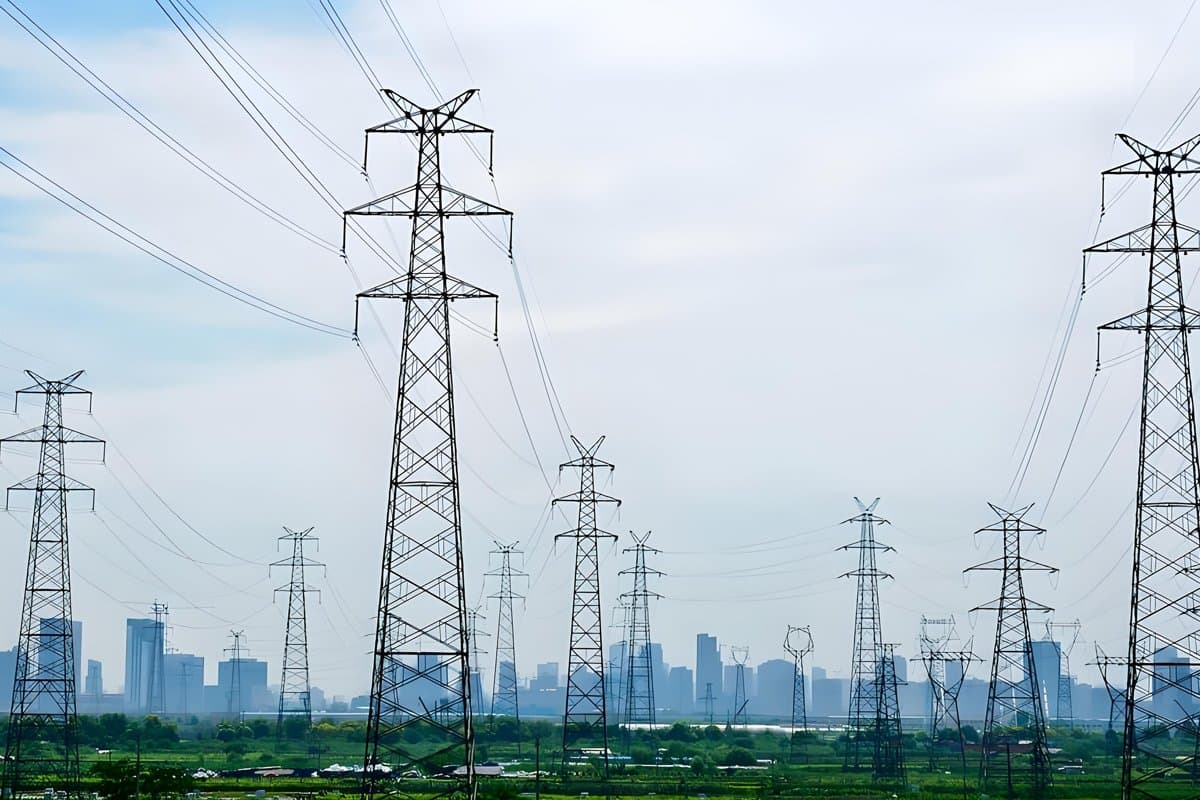
Urban Distribution Networks
Urban grids are built from large numbers of 10 kV substations that stay energised around the clock, so no-load loss accounts for a significant share of annual energy losses. Coreda combines amorphous-alloy transformers with prefabricated substations to place low-loss, low-noise equipment inside residential and commercial load centres.
Typical uses
- Substations for housing estates and mixed-use complexes
- Retrofit and capacity upgrades in older districts
- Compact substations along streets and in industrial parks
Typical equipment
- Amorphous-alloy transformers
- Prefabricated substations
- Ring-main supply
- Indoor substation rooms
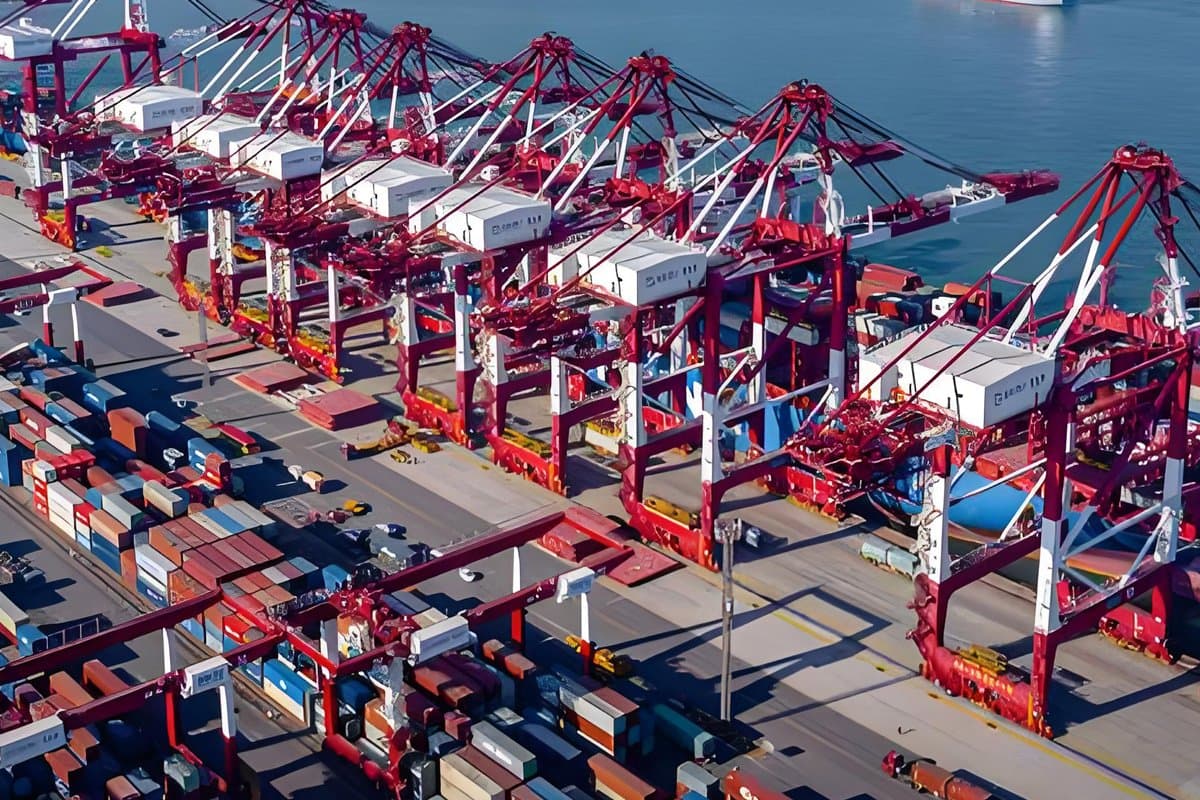
Ports and Shipbuilding
Quayside cranes and shipyard welding plant start and stop constantly, producing repeated inrush currents and short-time overloads, while a coastal site adds salt fog, humidity and dust. Coreda uses non-encapsulated class H and epoxy cast-resin dry-type transformers with GCK withdrawable LV switchgear to meet both the electrical and the environmental demands.
Typical uses
- Supply to quayside handling equipment
- Distribution in dry docks and outfitting shops
- Port warehouses, yards and ancillary facilities
Typical equipment
- Class H non-encapsulated transformers
- Epoxy cast-resin dry-type
- Withdrawable LV switchgear
- Salt-fog protection
Solutions and quotations
Tell us what your project needs
Send the capacity, voltage class and installation conditions, and we will come back with a selection proposal, technical data and a quotation.
- Amorphous alloy transformers
- Custom configuration
- Type-test reports
- After-sales support